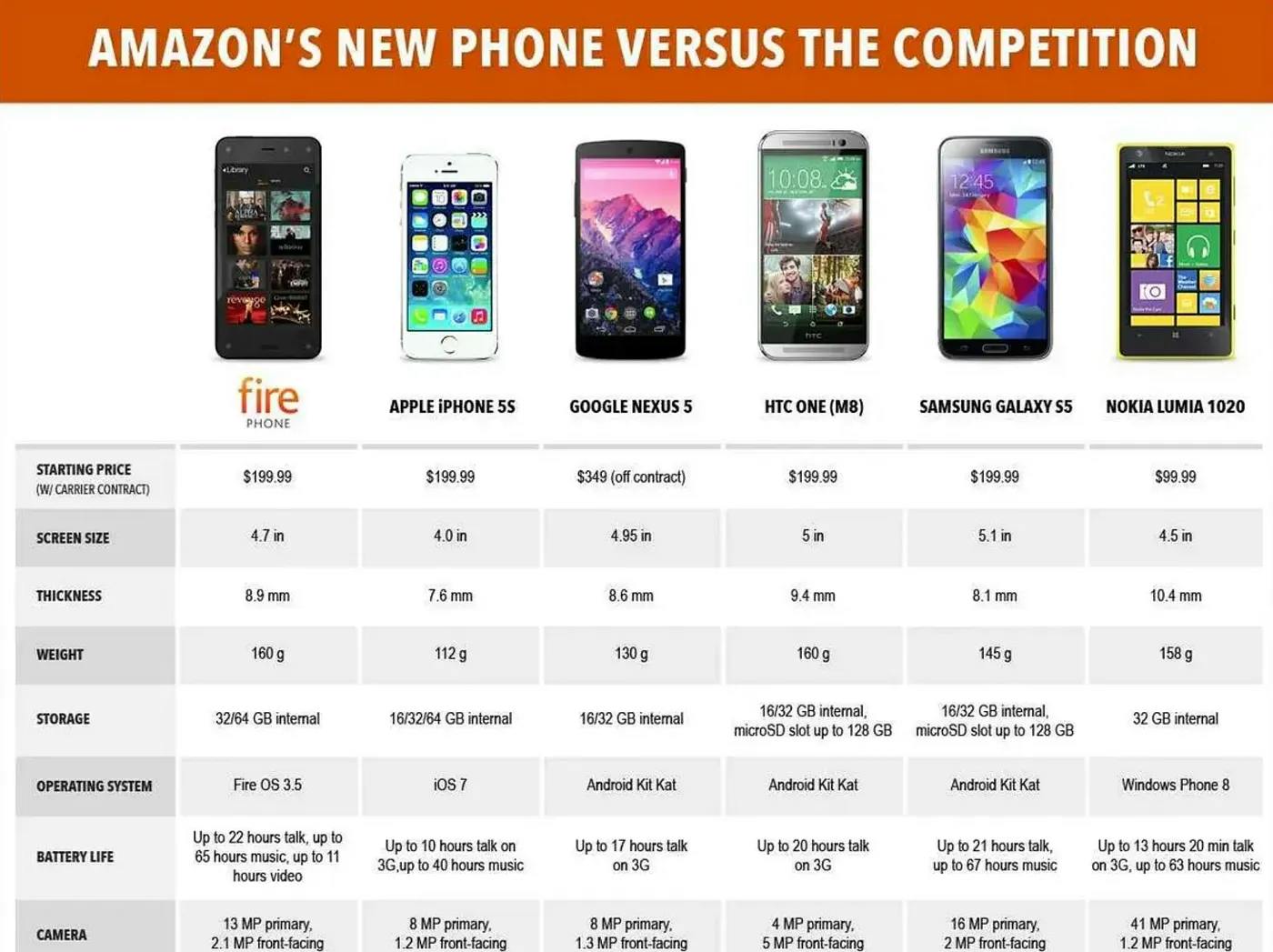

Did you know that the Fire Phone had a firefly button to scan things like groceries, books and scan codes to fill up your amazon cart in real-time?
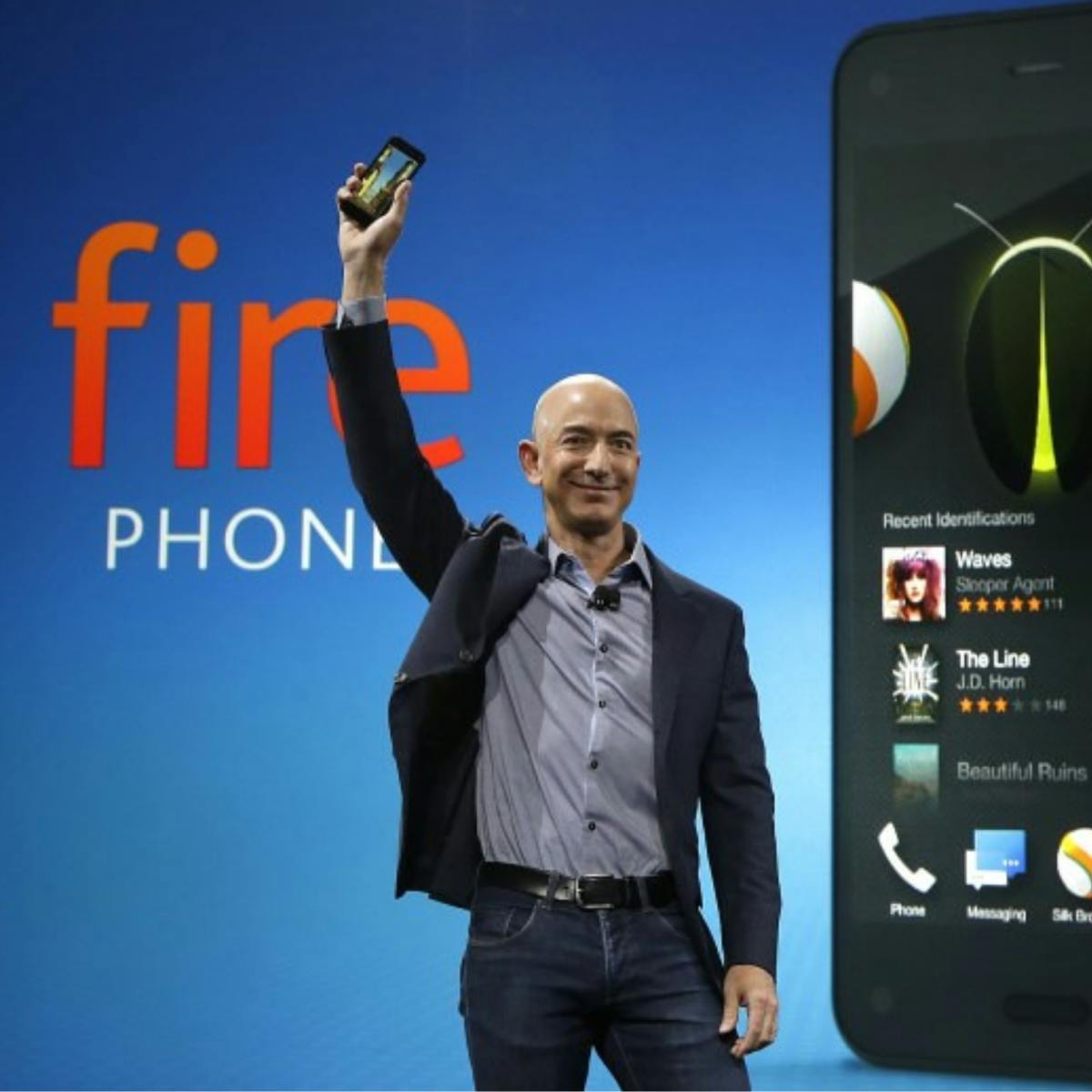
Amazon Fire phone was developed under the project, codenamed "Project Smith”, at amazon, as a highly secretive project.
Jeff Bezos personally drove the vision and features of the phone, who wanted to integrate Amazon’s suite of services into consumers' everyday lives.
The Fire Phone was released in July 2014.
It was intended to be not just a smartphone but a connector for users to engage more deeply with Amazon's ecosystem, including its retail services, Amazon Prime, and media content.
Amazon had 3 Goals with Fire Phone Launch
- Increase Prime Video Membership: By integrating tightly with Prime, Amazon hoped to boost membership sign-ups and renewals.
- Enhance Mobile Shopping: The Fire Phone featured Firefly technology, aimed at making it easier for users to scan and purchase physical items through Amazon.
- Device Ecosystem Expansion: Amazon wanted to complement its successful Kindle and Fire devices with a mobile phone to complete its ecosystem.
What happened When it Launched?:
- It was initially sold exclusively through AT&T in the United States.
- The phone saw lukewarm reception at best, with critics panning its high price and limited app selection.
- Its 3D features were flashy but mainly useless, and its Fire OS operating system was incompatible most apps out there, like Google Maps.
- Amazon assumed that developers would jump at the chance to develop apps for Fire Phone, but instead they stayed loyal to the existing major operating systems.
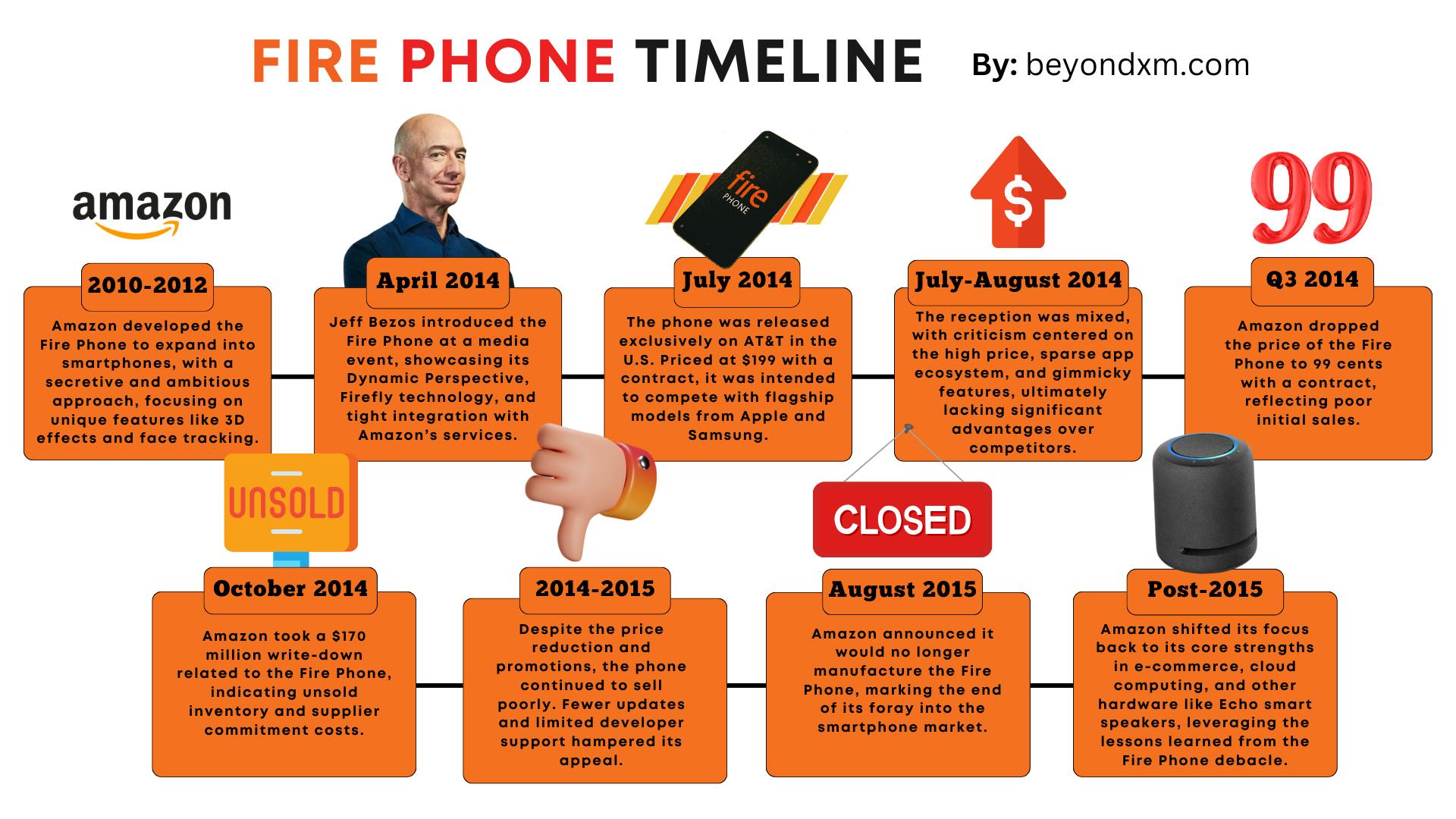
5 Reasons Amazon took a Fall of $170 Million on the Fire Phone:
- High Pricing: Priced at $199 with contract, the Fire Phone was not competitive enough to entice users to switch from more familiar platforms.
- Limited App Ecosystem: Lacking the support of Google’s Play Services, the Fire Phone could not offer key apps that consumers expected.
- Carrier Restrictions: By launching exclusively with AT&T, Amazon severely limited its market exposure and potential customer base.
- Gimmicky Features: Innovative features like Dynamic Perspective and Firefly did not offer enough practical utility to users for switching from other platforms.
- Poor Timing and Competitive Market: The Fire Phone entered a mature smartphone market dominated by established players with strong brand loyalty.
How big was the Fall?
- Amazon never officially disclosed sales figures for the Fire Phone, but it is estimated that they sold lesser than 35,000 units in the first 20 days after launch.
- In October 2014, Amazon took a $170 million write-down related to the Fire Phone.
- The financial impact and perceived failure of the Fire Phone contributed to a temporary dip in Amazon’s stock price, reflecting investor concerns over the company’s direction and decision-making.