
I believe in capitalism. I also believe we make capitalism less useful when we turn its most successful people into fairy tales. The familiar entrepreneurial biography is elegant because it removes almost everything that makes a biography complicated. A brilliant young person has an idea, ignores conventional advice, drops out of college, works harder than everyone else and becomes extraordinarily wealthy. The lesson is meant to be democratic: anyone can do it.
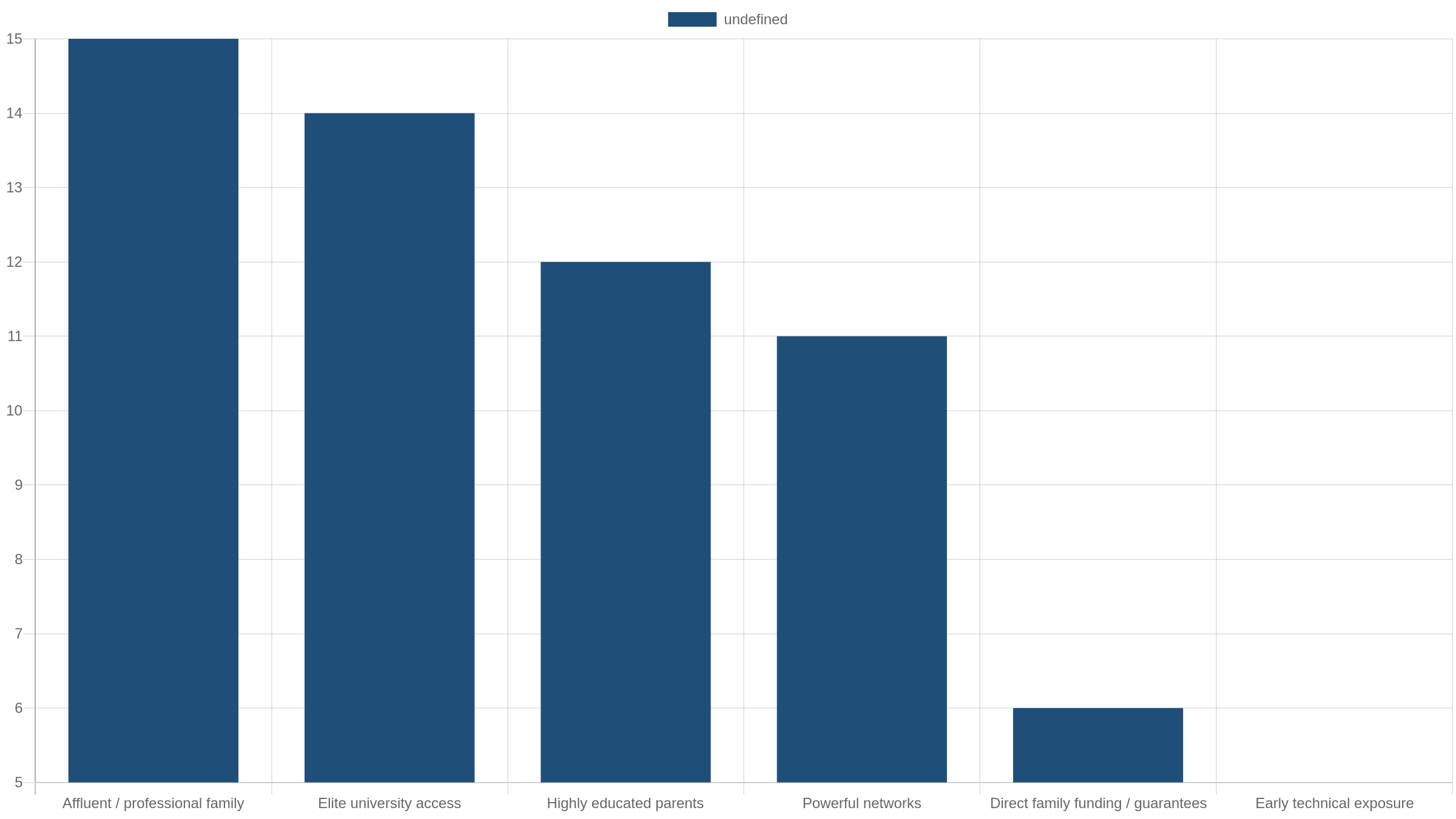
There is truth in that story. Talent, judgment, risk-taking and obsessive effort matter. But starting conditions matter too, and in many of the biographies we celebrate most, those conditions were unusually favorable. Family wealth, highly educated parents, elite schools, early access to computers, professional networks and the ability to survive failure appear again and again.
This is not an argument against capitalism, inherited advantage or successful families. Parents should help their children. Networks are valuable. Good schools are valuable. Capital should flow toward people willing to build. The mistake is pretending that none of those things affect the probability of success.
The self-made story is usually a compression
“Self-made” is useful shorthand, but it can hide more than it reveals. It often collapses a twenty-year sequence of education, family support, exposure and introductions into a single heroic moment: the garage, the dorm room, the first check or the decision to quit school.
Donald Trump is the clearest case because the financial support was so large. He joined the real-estate business built by his father, Fred Trump, and relied on his father's capital, guarantees and connections. A Washington Post fact check noted that Donald Trump owed his father and his father's businesses about $14 million by 1985 and that Fred Trump jointly guaranteed a $70 million construction loan for one of his son's early Manhattan projects. Later reporting based on family financial records put the lifetime transfer of wealth much higher.
Bill Gates represents a subtler and, in some ways, more important form of advantage. His father was a prominent Seattle lawyer. His mother, Mary Gates, was a major civic and corporate figure. Gates attended Lakeside School, where he gained access to computers at a time when almost no teenager had that opportunity. Mary Gates also served in the United Way world alongside IBM chairman John Opel. Contemporary accounts have long noted that this relationship helped put a small Microsoft into IBM's orbit. It would be inaccurate to say that Gates's mother simply handed him the IBM contract. It would be equally inaccurate to pretend that social proximity to the chairman of IBM was irrelevant.
Mark Zuckerberg's parents were a dentist and a psychiatrist. They hired private computer tutor David Newman to work with him while he was still a child, and Zuckerberg later attended Phillips Exeter Academy before Harvard. Again, the point is not that this created Facebook. Millions of affluent children receive excellent educations and do not create a company like Meta. The point is that Zuckerberg's exceptional ability developed in an environment unusually capable of recognizing and supporting it.
Jeff Bezos is often described more accurately as middle-class or upper-middle-class than as an heir. But when Amazon needed capital, his parents were able to invest $245,573 from their savings. That is not the same as inheriting a fortune. It is still an extraordinary entrepreneurial advantage. A founder whose parents can risk a quarter of a million dollars has a different set of options from one whose parents depend on the founder's paycheck.
.jpg) Donald Trump | _5.jpeg) Bill Gates | 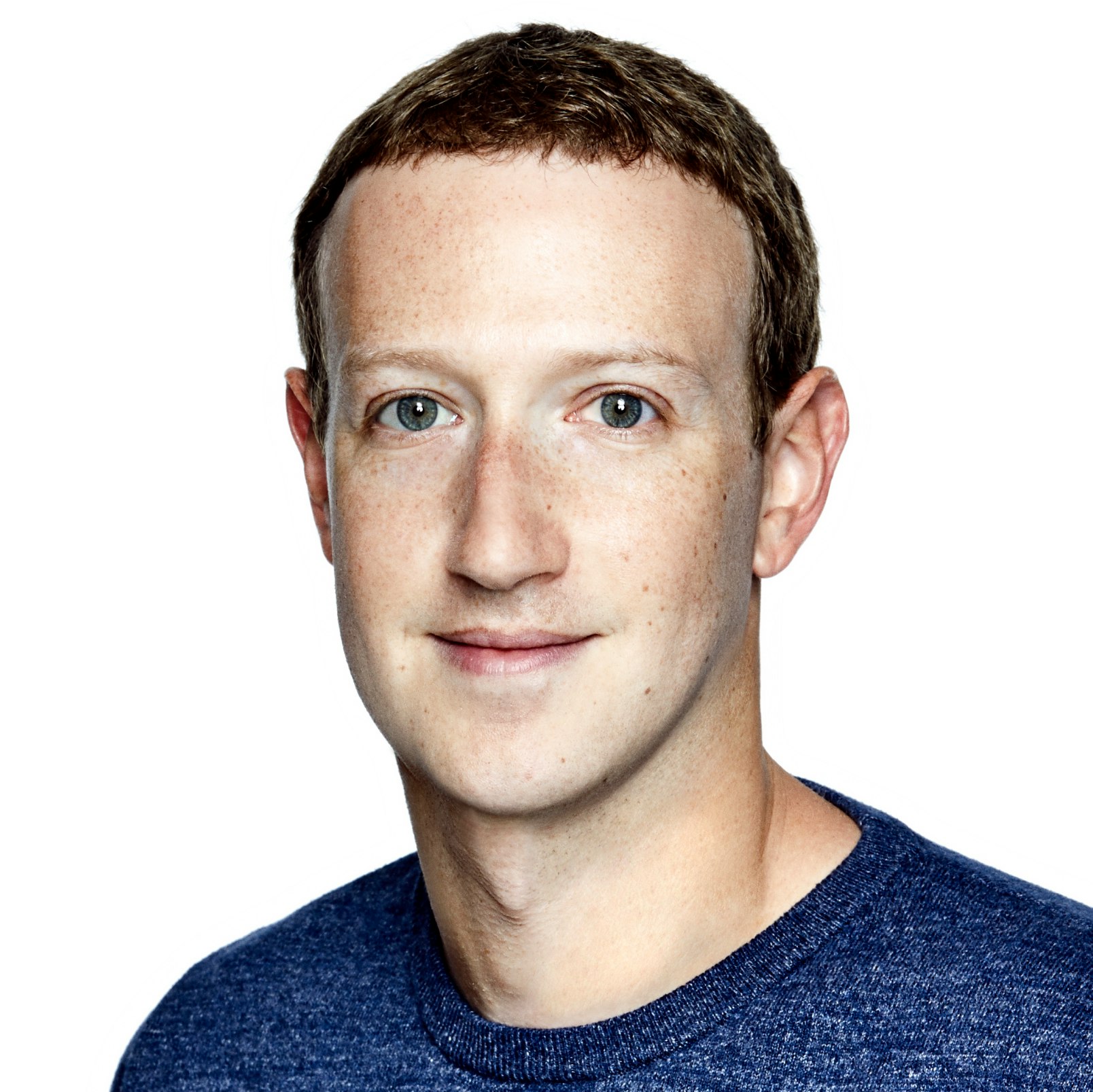 Mark Zuckerberg |
 Jeff Bezos | 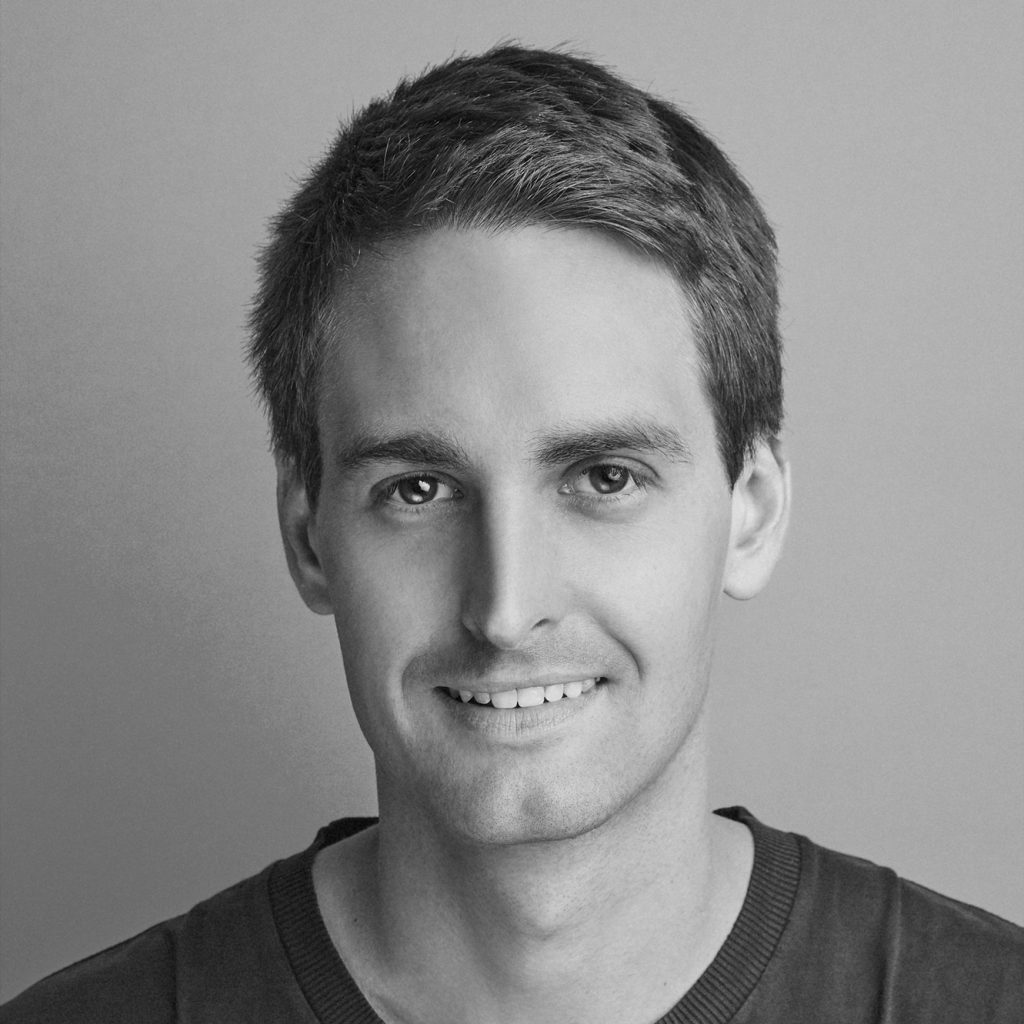 Evan Spiegel | 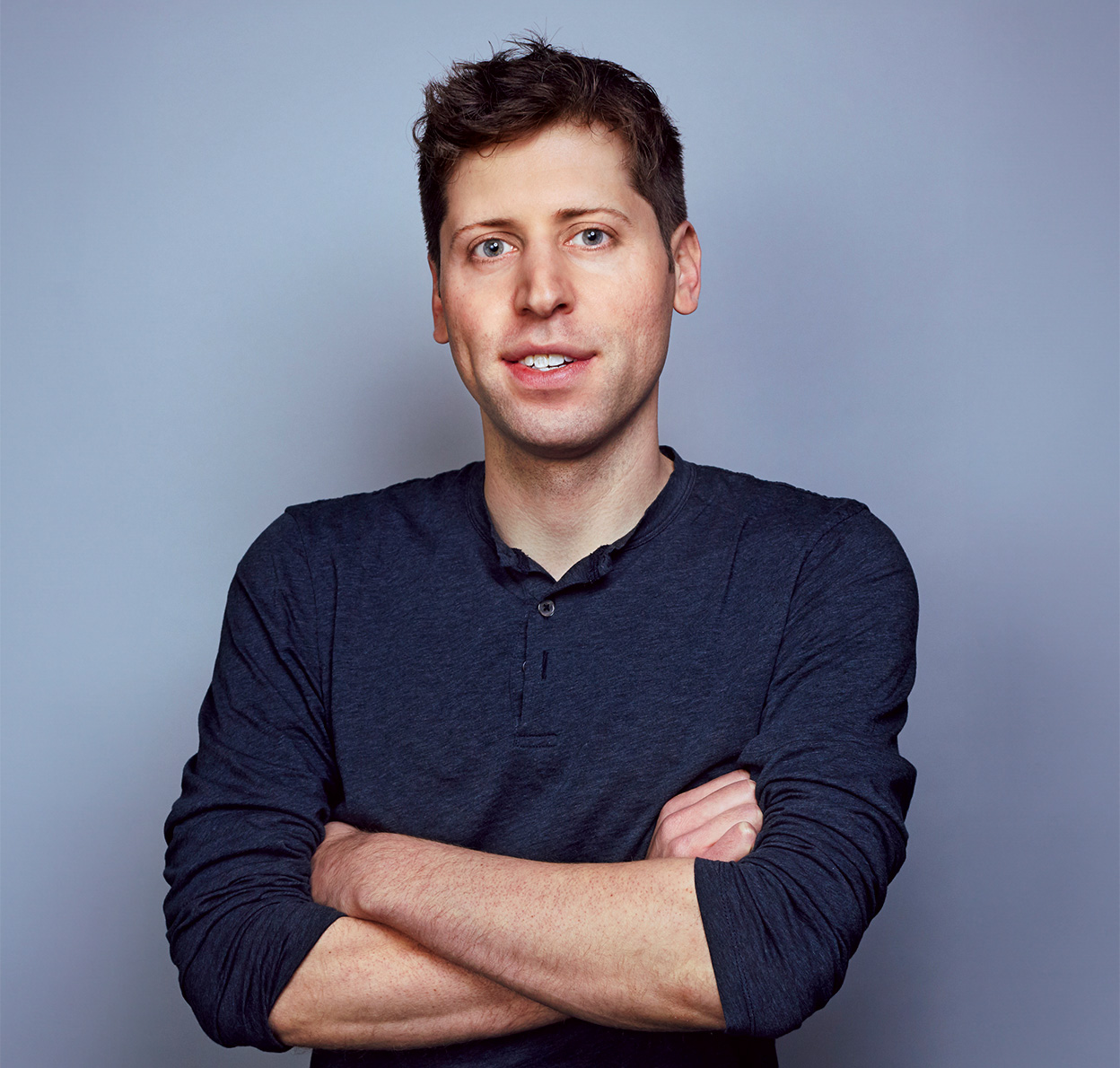 Sam Altman |
.jpeg) Warren Buffett |  Larry Page | 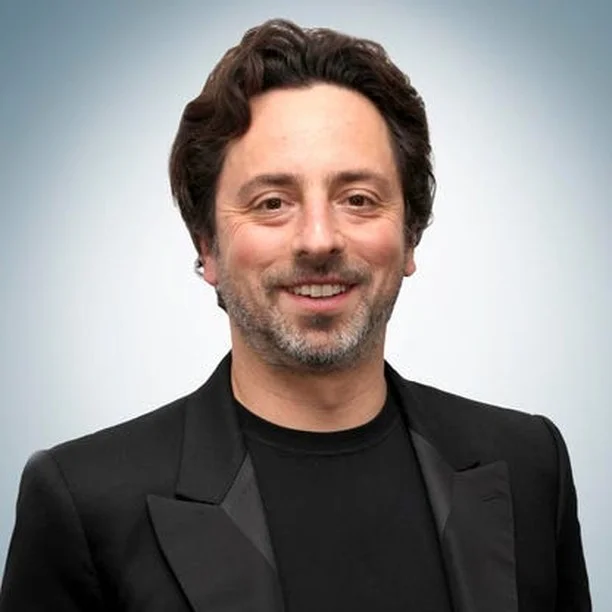 Sergey Brin |
 Steve Ballmer | 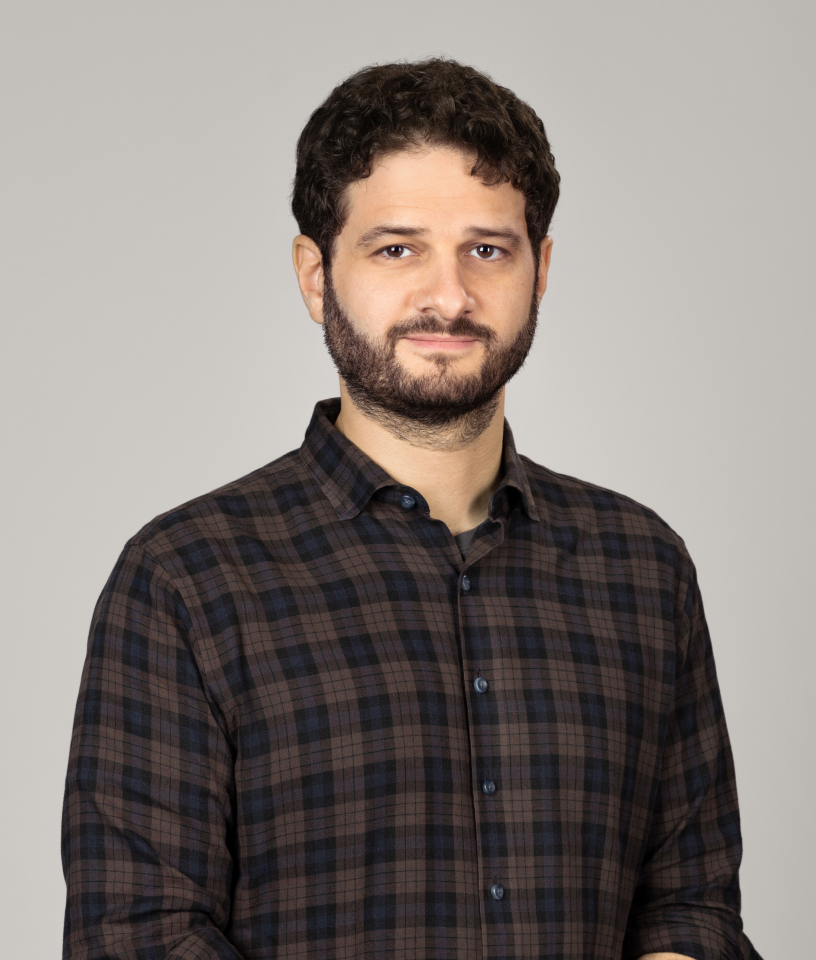 Dustin Moskovitz | 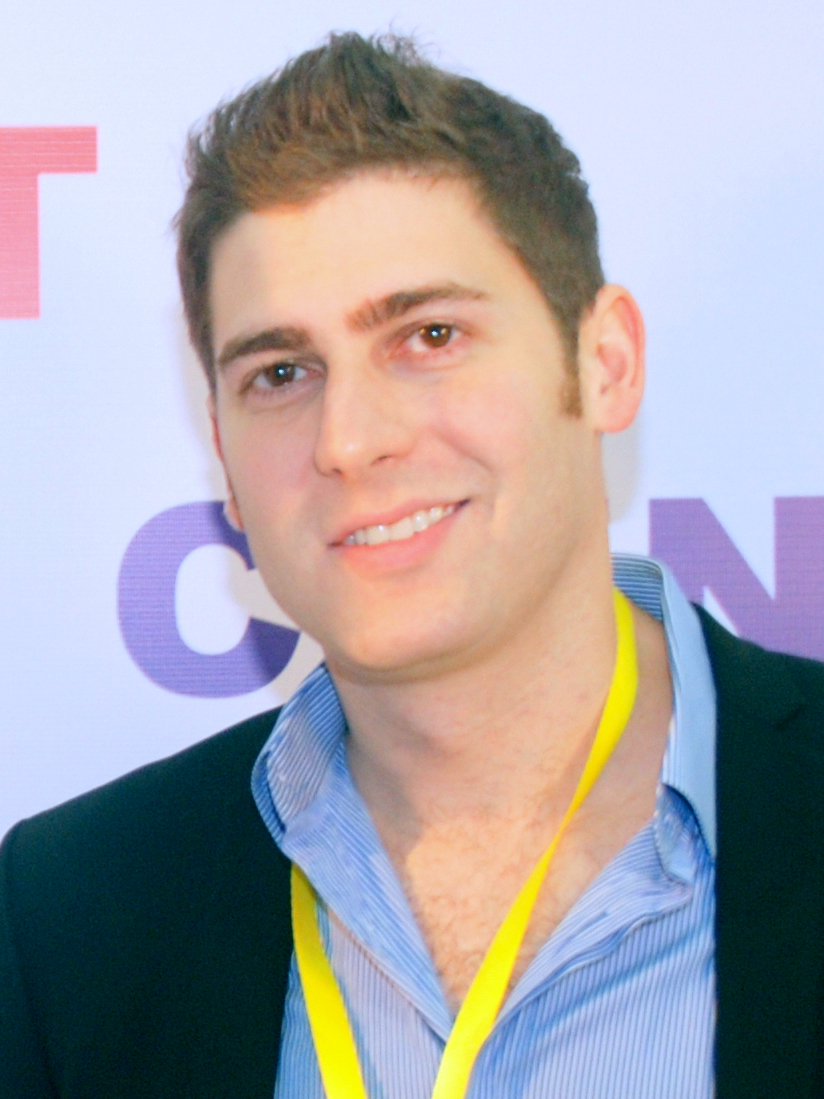 Eduardo Saverin |
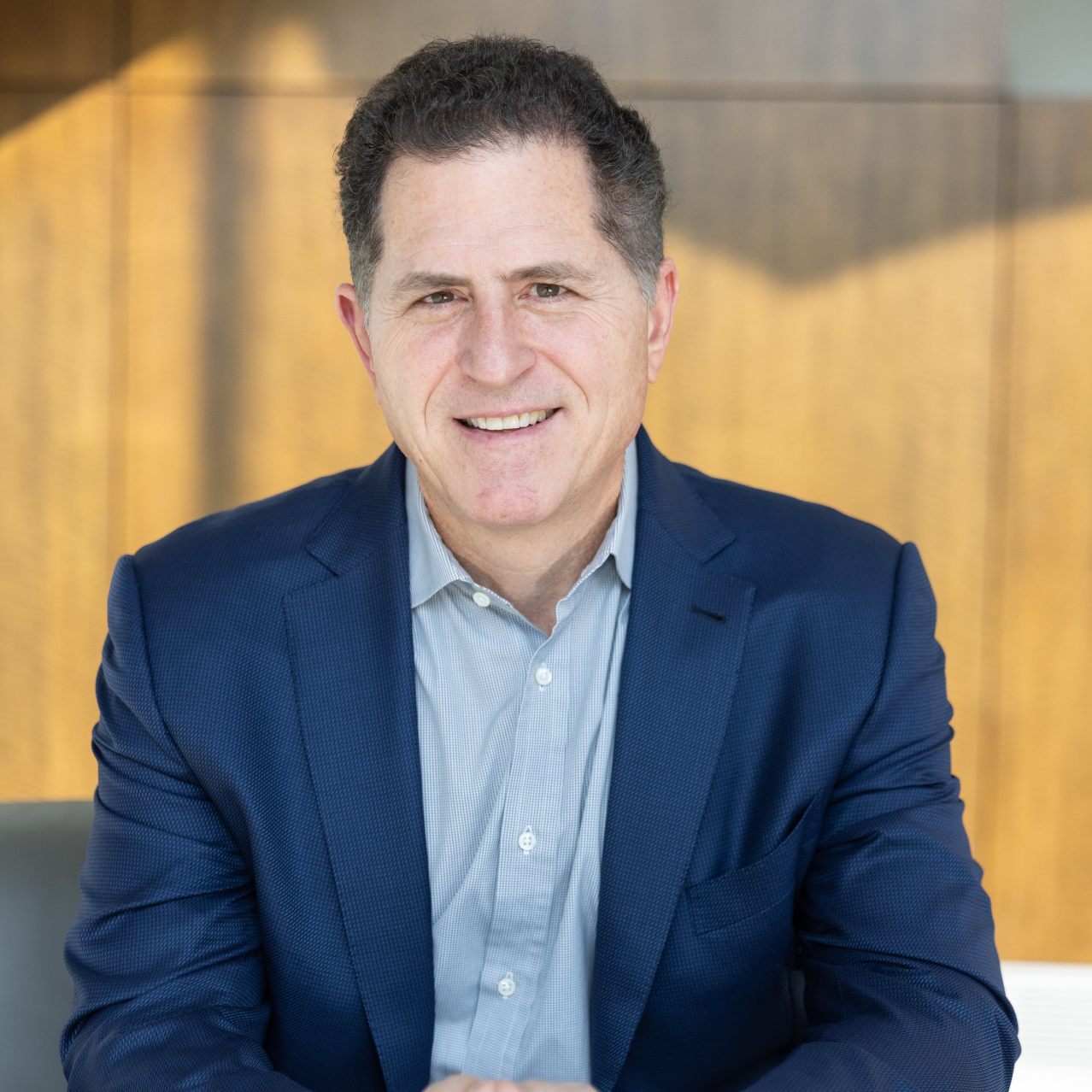 Michael Dell | .jpg) Reed Hastings |  Elon Musk |
Money is only one kind of starting capital
The debate becomes distorted when “privilege” is reduced to a single question: were the parents millionaires? That is too crude. Financial capital matters, but so do cultural capital, educational capital, technical capital and social capital.
Warren Buffett's father was a stockbroker who later served in Congress. Buffett grew up in a household where markets, securities and business were ordinary subjects rather than mysterious professions. Larry Page's father was a computer-science professor. Sergey Brin's father became a mathematics professor and his mother worked as a scientist at NASA. Steve Ballmer's father was a manager at Ford; Ballmer then attended Harvard, where he met Bill Gates, and later entered Stanford Business School before leaving to join Microsoft.
Sam Altman grew up in affluent Clayton, Missouri. His mother was a dermatologist, his father was a real-estate broker, and he attended a private preparatory school before Stanford. Evan Spiegel grew up in Pacific Palisades, the son of two lawyers, attended Crossroads School and then Stanford. Los Angeles Times reporting based on his parents' divorce proceedings described a childhood in which luxury was normal, not aspirational.
Eduardo Saverin came from an affluent Brazilian family, attended Harvard and supplied important early capital to Facebook. Dustin Moskovitz grew up in a professional household and met Zuckerberg at Harvard. Michael Dell grew up in a highly educated professional family and was able to experiment with computers and business from a young age before leaving the University of Texas. Reed Hastings was the son of a lawyer who served in the Nixon administration and went from Bowdoin to graduate study at Stanford.
Elon Musk is the example where precision matters most. The internet version of his childhood has hardened into competing myths: either he was a completely self-made immigrant with nothing, or he was simply an emerald-mine heir whose companies were pre-funded by family money. The documentary record is more complicated, and the sensational inheritance claims remain contested. What can be said safely is that Musk did not emerge from an educational vacuum: he attended Queen's University, completed undergraduate degrees at the University of Pennsylvania, and briefly entered a Stanford graduate program before leaving to pursue a company. That is a very different story from “school did not matter.”
The dropout myth is especially misleading
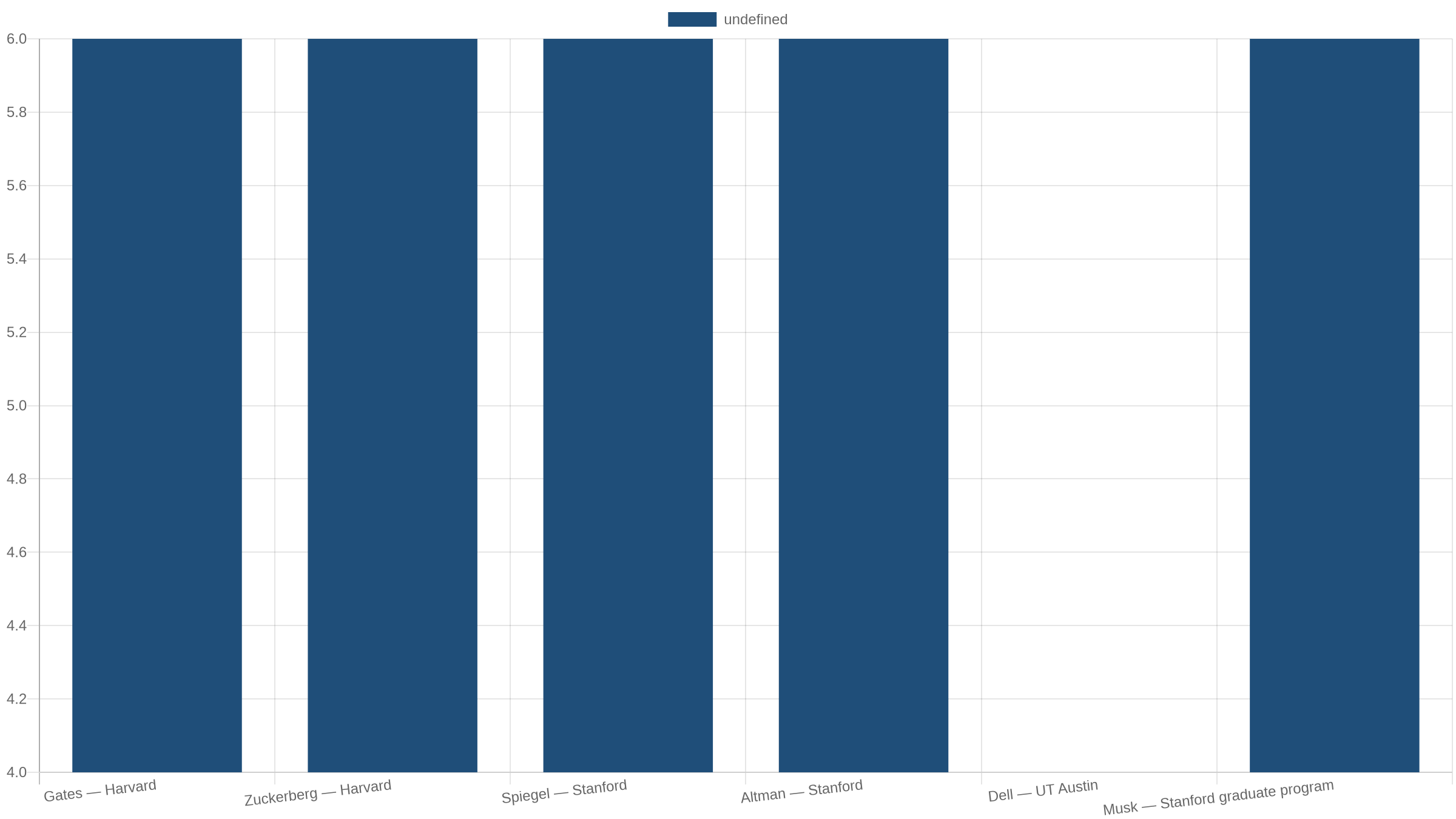
Perhaps the strangest lesson we teach from entrepreneurial history is that college does not matter because Bill Gates, Mark Zuckerberg and other famous founders dropped out. They did not leave weak institutions because education had failed them. Gates left Harvard. Zuckerberg left Harvard. Evan Spiegel left Stanford. Sam Altman left Stanford. Michael Dell left the University of Texas at Austin. Musk completed undergraduate degrees and then left a Stanford graduate program almost immediately.
There is a profound difference between dropping out because you cannot access opportunity and leaving an elite institution because an unusually promising opportunity is already pulling you away. Admission itself signals academic achievement. Time spent inside selective universities creates friendships, credibility and networks. And, critically, many of these founders had a plausible path back into conventional professional life if the company failed.
A young person who leaves Harvard to pursue a product that is already growing is not making the same wager as a young person leaving a weak school with no savings, no family safety net and no professional network. The word “dropout” makes those decisions sound identical. They are not.
Recognizing advantage does not erase achievement
There is a lazy version of this argument that says rich parents created these fortunes. That is no more persuasive than the fairy tale it is trying to replace. Fred Trump could have given the same capital to many children and they would not necessarily have produced Donald Trump's career. Thousands of students attended Harvard while Gates and Zuckerberg were there. Thousands of affluent families can afford tutors. Hundreds of thousands of professionals have impressive networks. Very few people build Microsoft, Meta or Amazon.
The achievements remain extraordinary. Gates still had to recognize the personal-computer opportunity and execute. Bezos still had to leave a prestigious career, build Amazon through years of losses and repeatedly make decisions that looked irrational at the time. Zuckerberg still had to turn a campus product into a global company. Buffett still had to compound judgment for decades.
The intellectually serious position is that both statements can be true at the same time: exceptional people can possess exceptional advantages, and those advantages can materially increase the range of risks they are able to take.
The safety net changes the mathematics of risk
This is the part of entrepreneurship culture that deserves more attention. Risk is not only a personality trait. It is also a balance-sheet condition.
Consider two equally ambitious twenty-two-year-olds. One has parents who can pay rent for a year, make introductions to lawyers and investors, provide a small amount of startup capital and welcome the founder home if everything fails. The other sends money home every month and carries family obligations that cannot simply be suspended.
Both may be equally intelligent. Both may work equally hard. Both may believe in capitalism. But the downside distribution is completely different. For the first founder, failure may mean embarrassment, lost time and a return to a professional career. For the second, failure can mean debt, eviction or financial harm to relatives. The first person can rationally make more attempts. More attempts create more learning. More learning can produce better judgment. Eventually, what looks like extraordinary courage may partly reflect a structure in which failure was survivable.
The correct lesson for capitalism is expansion, not resentment
None of this implies that successful parents should be prevented from helping their children. That would be perverse. The purpose of prosperity should be to create better lives for the next generation. The more useful question is how society can make some of these advantages less exclusive.
If early technical exposure mattered for Gates, Page, Brin and Zuckerberg, then more children should gain meaningful access to technology while they are young. If elite networks repeatedly matter, then universities, accelerators and public institutions should create higher-quality bridges between talented people and consequential networks. If family capital makes experimentation possible, then founders without wealthy families need more forms of small, risk-tolerant early capital. If the safety net matters, entrepreneurial policy should reduce the personal cost of an intelligent failure rather than merely celebrating risk in speeches.
This is a capitalist argument. Better allocation of human talent is economically productive. A system leaves enormous value on the table when talented people cannot attempt difficult things because their starting conditions make experimentation financially irrational.
We should tell the whole story
I still admire the people in this essay. In many cases I admire them more after looking at the complete story, because the complete story is more interesting than the myth.
Bill Gates was not merely a dropout. He was a technically gifted teenager who encountered computing unusually early, developed inside an exceptional educational environment, entered Harvard, built a company and then exploited one of the most important platform transitions in business history. Jeff Bezos was not simply a man whose parents wrote a check. He was a highly trained operator who saw the internet growing at extraordinary speed, left a secure career, persuaded his family to take a frightening risk and then spent decades turning that bet into infrastructure used around the world. Mark Zuckerberg was neither merely privileged nor merely a genius in a dorm room. Both context and ability mattered.
That is usually how reality works. Success is multivariable.
Capitalism does not become weaker when we admit this. It becomes more intellectually honest. The point is not to diminish the winners. The point is to understand why some talented people get more chances to become winners than others.
We should keep the ambition, the competition, the ownership and the rewards. We should also try to make exceptional education, early exposure, capital, networks and survivable failure available to a much broader group of people.
Capitalism works best when more people can afford to take a real shot.



.svg)