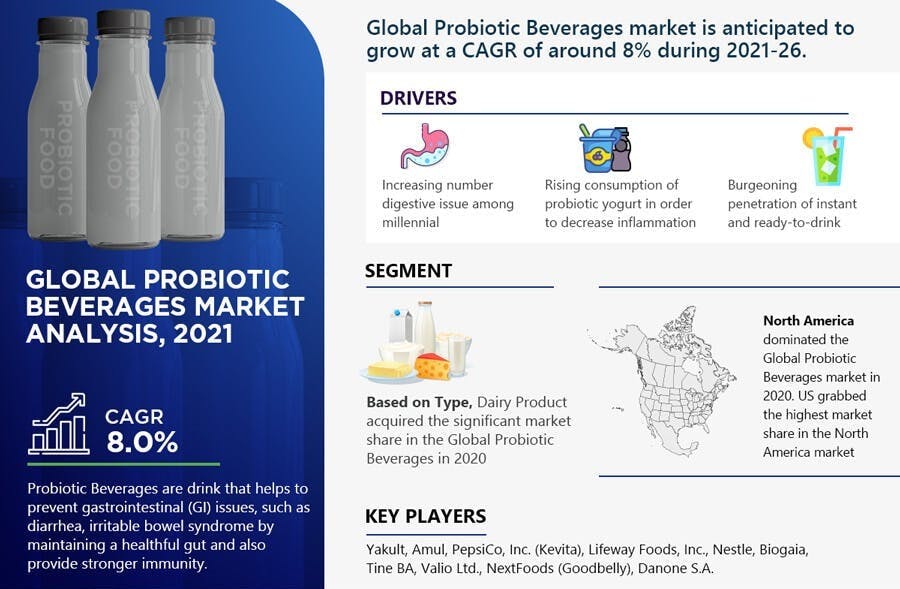
Did you know that Yakult also sells a high end beauty moisturizer?, which retails at more than $1000 per bottle.
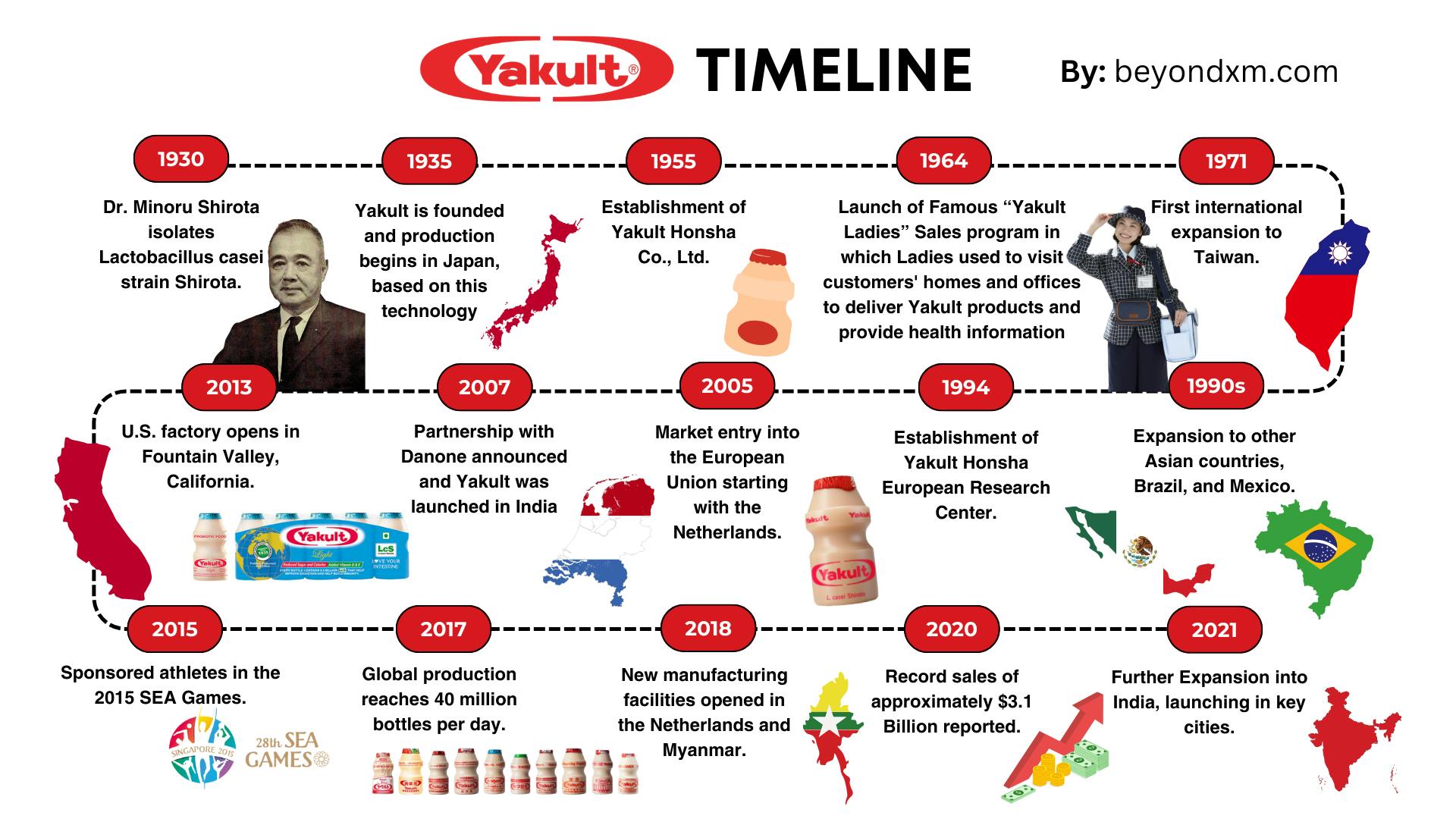
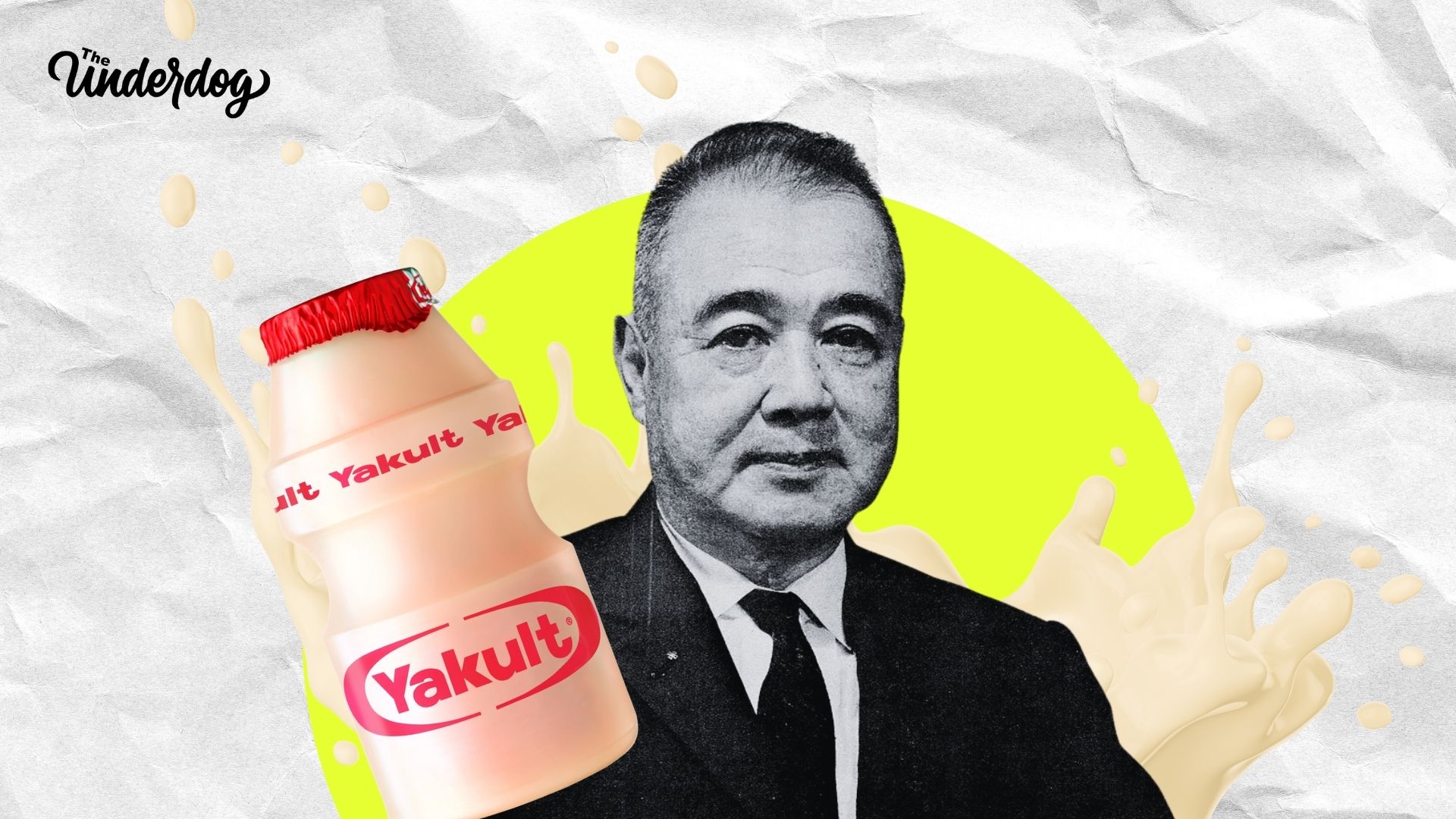
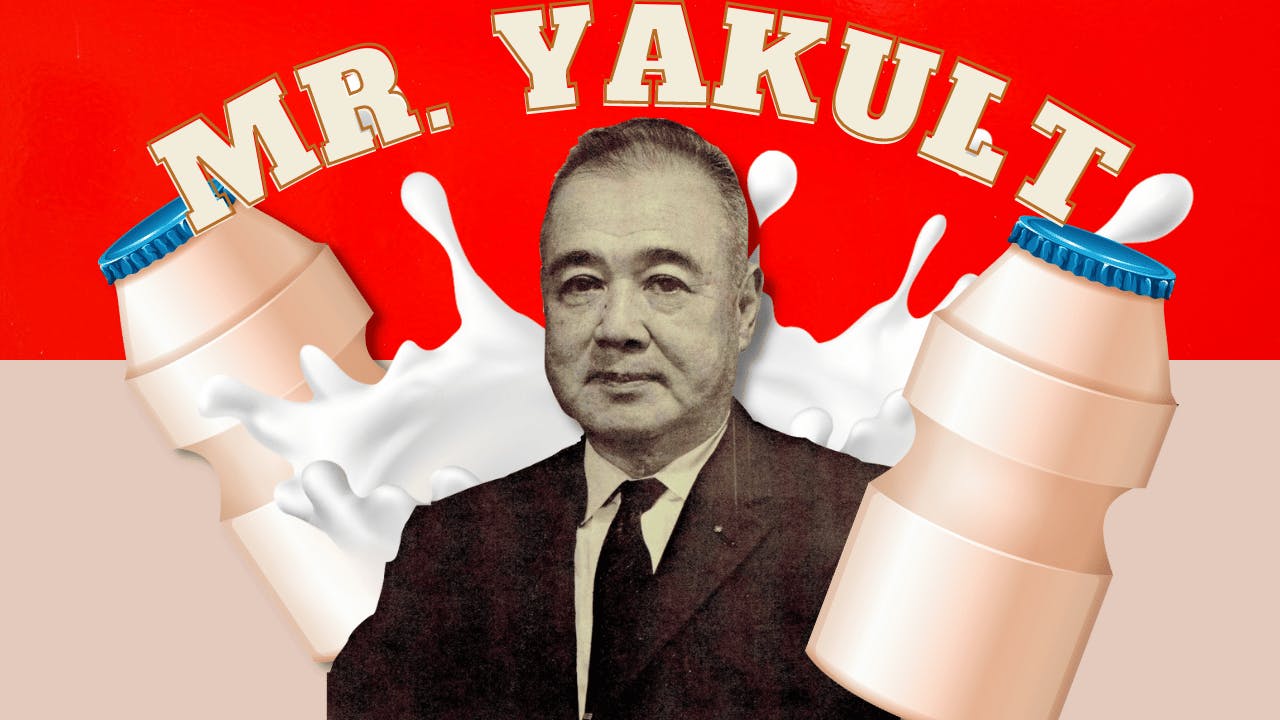
Yakult founded in 1935 by Dr. Minoru Shirota, a Japanese scientist, with the vision of creating a health-promoting fermented dairy drink.
Dr. Shirota discovered a unique strain of beneficial bacteria, Lactobacillus casei Shirota, which he believed could promote digestive health and strengthen rthe immune system.
Unique Value Proposition.:
- Innovative Product: Yakult’s distinctive small bottle packaging and tangy, slightly sweet flavor appealed to consumers seeking a convenient and enjoyable way to support their digestive health.
- Health Benefits: The company positioned Yakult as a functional beverage with scientifically proven health benefits, leveraging Dr. Shirota’s research and clinical studies to build trust and credibility.
- Global Expansion: Yakult expanded beyond Japan, entering international markets and adapting its marketing strategies to appeal to diverse consumer preferences and cultural norms.
What were the 3 Main challenges that Yakult faced in the market?:
- Cultural Barriers: Yakult faced challenges in introducing probiotic beverages to markets where fermented dairy products were not traditionally consumed, requiring awareness campaigns.
- Competition: The company encountered competition from both traditional dairy products and emerging probiotic brands, pushing the team for continuous innovation and differentiation to maintain market leadership.
- Regulatory Hurdles: Yakult navigated complex regulatory environments in different countries, ensuring compliance with local food safety and labelling regulations while maintaining product consistency and quality.
Business Growth:
- Yakult achieved rapid market penetration in Japan, becoming a household name and a staple in many consumers’ daily routines.
- Annual revenues surged from around $460 million USD in 1990 to over $1.84 billion USD by the end of the decade.
- The company’s operating profit margin expanded from around 15% in the early 1990s to approximately 20% by the late 1990s.
- By the late 1990s, Yakult’s market capitalisation had risen to over $9.2 billion USD, reflecting investor confidence in the company’s growth prospects.
- The company successfully expanded its presence to over 40 countries and regions, capitalising on growing consumer interest in health and wellness products.
- One of the cornerstone of Yakult’s Marketing strategy is called Yakult’s Ladies Program.

Why is Yakult's ladies Program so famous?
- Yakult recruits and trains women from local communities to sell its probiotic beverages directly to consumers, leveraging their interpersonal skills and local knowledge to connect with customers on a personal level.
- These dedicated saleswomen visit homes, workplaces, and community events to promote Yakult products, educate consumers about the health benefits of probiotics, and build trust and loyalty among customers.
- The program provides economic empowerment opportunities for women, particularly in regions where traditional employment opportunities may be limited.
- Yakult’s sales ladies program has been instrumental in driving sales growth and market penetration, particularly in emerging markets and underserved communities.
5 Strategies Yakult used for making $3.1 Billion sales:
- Investment in R&D: Yakult prioritized investment in research and development to continually improve product quality and develop new formulations tailored to evolving consumer needs.
- Branding: The company invested in brand building and marketing initiatives to raise awareness and promote the health benefits of Yakult.
- Distribution: Yakult established a robust distribution network, including direct sales, partnerships with retailers, and vending machines, to ensure broad accessibility and availability of its products.
- Consumer Engagement: Yakult engaged with consumers through various channels, including social media, events, and educational programs, fostering a loyal and engaged customer base.
- Corporate Social Responsibility: Yakult enhanced its goodwill by showing commitment to corporate social responsibility by supporting community health initiatives, environmental sustainability, and philanthropic efforts.