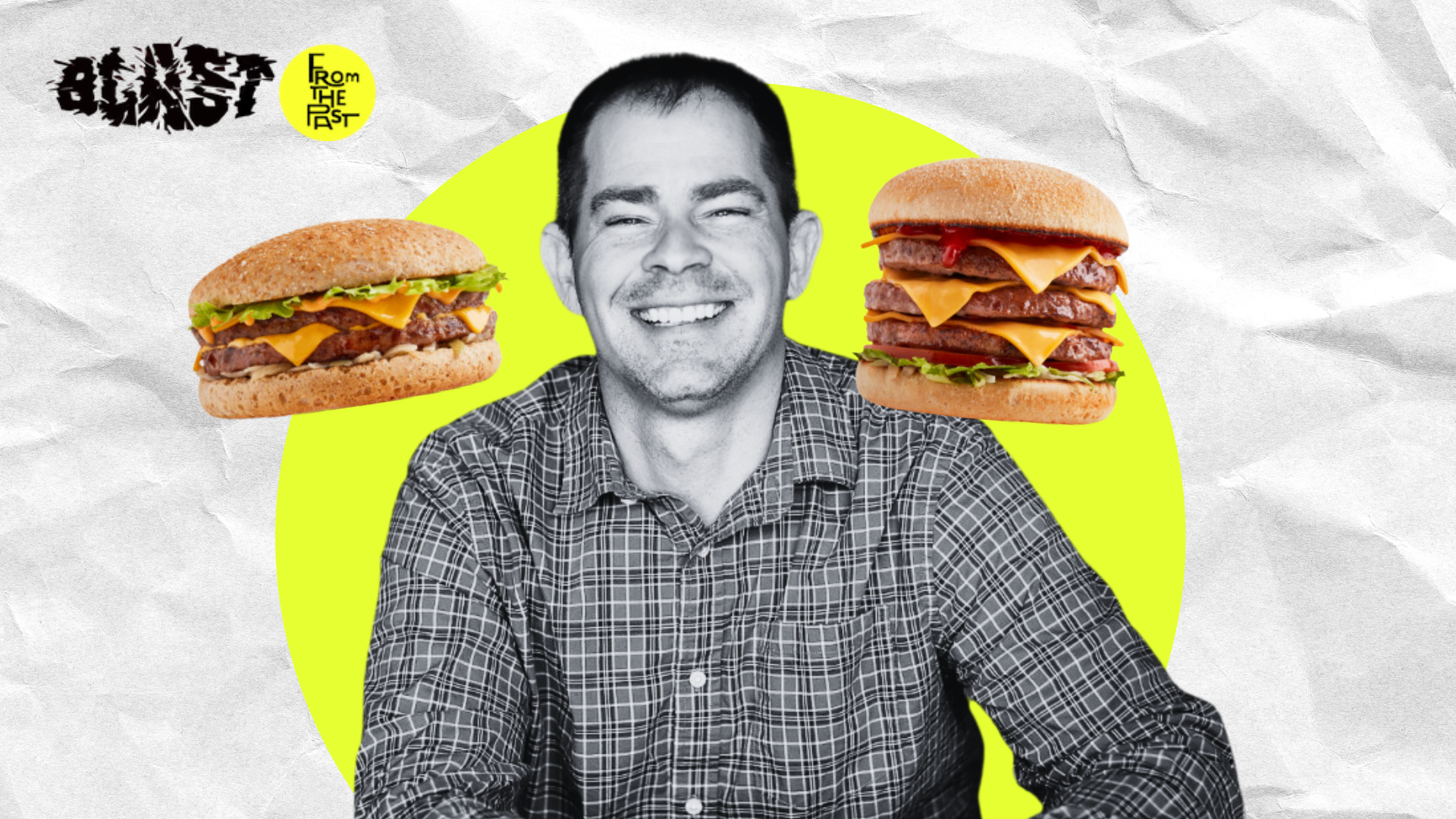

Did you know that WIMPY used to sell a burger for as low as 16 cents and a brunch at just 36 cents?
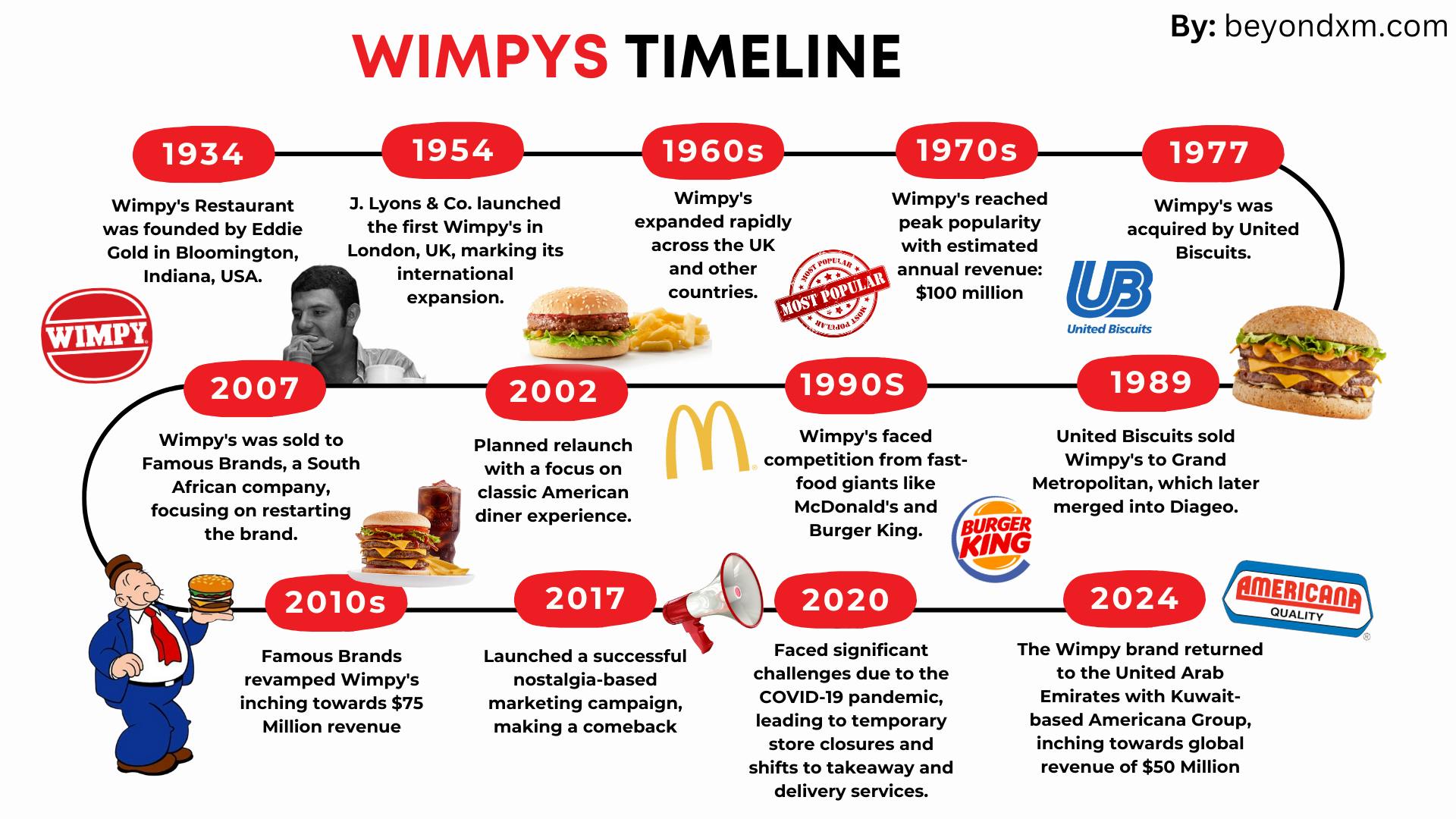
It was founded by Edward Gold in Chicago in 1934, with a plan to offer affordable and high-quality meals.
The initial idea was to provide fast and efficient service with a simple menu. Wimpy introduced the concept of a casual dining experience with quick service and a focus on quality, setting the stage for its expansion in the years to come.
Wimpy went international with opening its first restaurant in UK in 1954. They adapted to local tastes, offering British favorites like fish and chips alongside its American-style hamburgers.
This paid off big time as by the 1960s, Wimpy had achieved significant success in the UK, expanding rapidly and becoming a household name
Unique Value Proposition
- Quality
- Wimpy was known for delivering consistently high-quality food. The focus on quality hamburgers and efficient service helped build a loyal customer base.
- Franchise Model
- The brand’s use of a franchise model allowed rapid expansion while maintaining control over brand standards. Local entrepreneurs operated Wimpy outlets, benefiting from the established brand reputation and operational support.
- Menu Innovation
- Wimpy offered a diverse menu, including unique burger variations and side dishes, which helped it stand out in a competitive market.
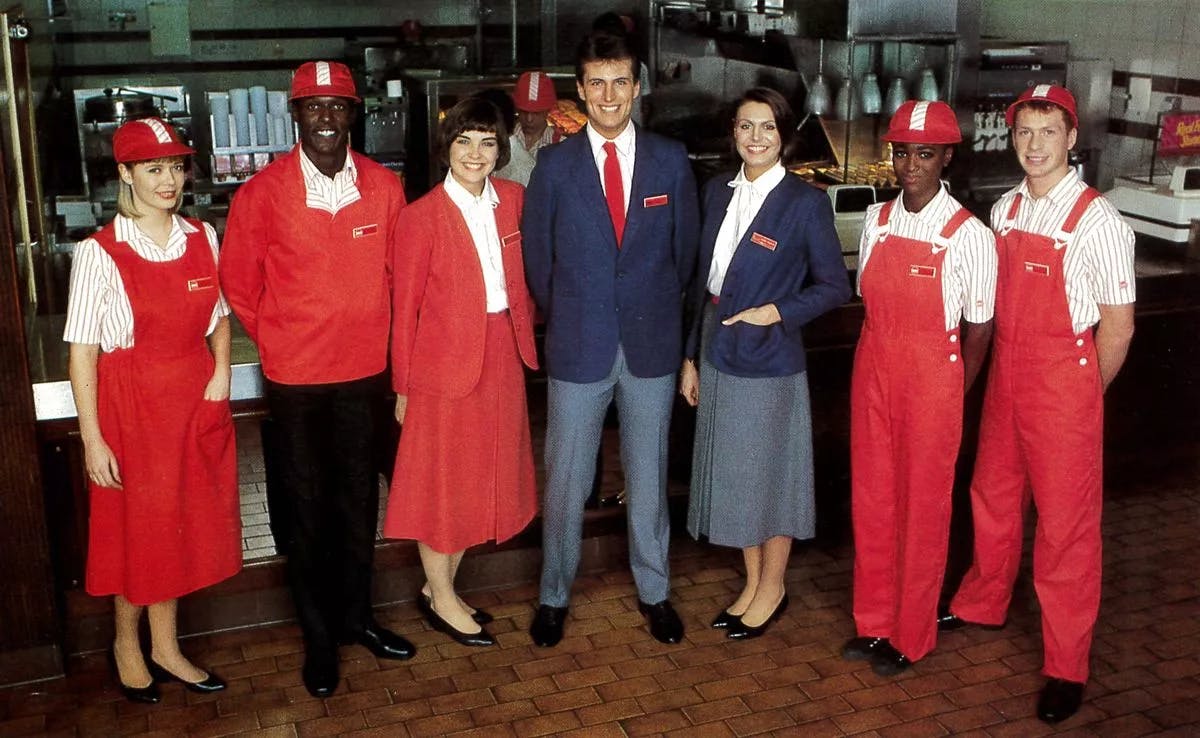
Wimpy was often considered pioneer in bringing innovation to Fast Food
- The introduction of fish and chips alongside hamburgers in the UK demonstrated Wimpy ability to adapt its menu to local tastes. This localization strategy helped the brand gain traction in a new market.
- In the 1960s, Wimpy pioneered the use of frozen foods to ensure consistent quality and streamline operations. This innovation allowed for efficient management of inventory and maintained high standards across locations.
- Wimpy used memorable advertising campaigns, such as the “Wimpy: The Home of the Hamburger” slogan, to build brand recognition and reinforce its market position.
Did you know that Wimpy was one of the first American fast-food chains to expand internationally?
Marketing Strategy
- Advertising Campaigns
- Wimpy launched memorable advertising campaigns that highlighted the quality and value of its food. The “Wimpy: The Home of the Hamburger” slogan became synonymous with the brand and helped build a strong market presence.
- Community Engagement
- The brand engaged with local communities through sponsorships and promotions, creating a strong connection with customers and enhancing brand loyalty.
1980s brought a whole set of Challenges for this Global Brand, and WIMPY couldn’t keep up thing like
- Increased Competition
- By the 1980s, Wimpy struggled to differentiate itself from new competitors McDonald’s and Burger King who innovated their menu better than the legacy brand.
- Operational Inefficiencies
- Insufficient training and support for franchisees led to variations in service quality and customer experience, which affected the brand’s reputation.
- Financial Struggles
- The brand experienced financial difficulties in the late 1990s and early 2000s, including declining sales and profitability.
- Brand Stagnation
- Wimpy reluctance to invest in store redesigns and updated marketing campaigns led to a loss of relevance in a rapidly changing market.
-
5 Strategies WIMPY failed to Implement and lost to Competition
1. Innovation
Continuously innovate your product offerings and business model to stay relevant in a competitive market.
Who did it better?
McDonald’s excels at innovation with its regular introduction of new menu items, such as the McPlant burger and seasonal promotions.
2. Brand Evolution
Invest in reinventing your brand image and marketing strategies to maintain consumer interest.
Who did it better?
Burger King has effectively evolved its brand through campaigns like “Whopper Detour,” which continuously engaged customers with innovative promotions.
3. Operational Efficiency
Ensure consistent quality and operational efficiency across all locations.
Who did it better?
Chick-fil-A is renowned for its operational efficiency and consistent service quality, through its line up of robust training programs.
4. Adaptability
Be responsive to market shifts and consumer demands. Wimpy failure to adapt to health-conscious trends hurt its relevance.
Who did it better?
Subway has effectively adapted to health trends by offering a range of fresh, low-calorie options and customizing sandwiches to meet dietary needs.
5. Local Adaptation
Tailor your offerings to local markets while maintaining core brand values.
Who did it better?
KFC demonstrates successful local adaptation by cuztomising its menu to reflect regional tastes.
FUN FACT: Did you know that The name “Wimpy” came from Popeye's friend, Wellington Wimpy?, who loved hamburgers just as much as Popeye loved spinach.