
Did you know, it was reported that FTX bankruptcy fees alone exceeded $200 million?

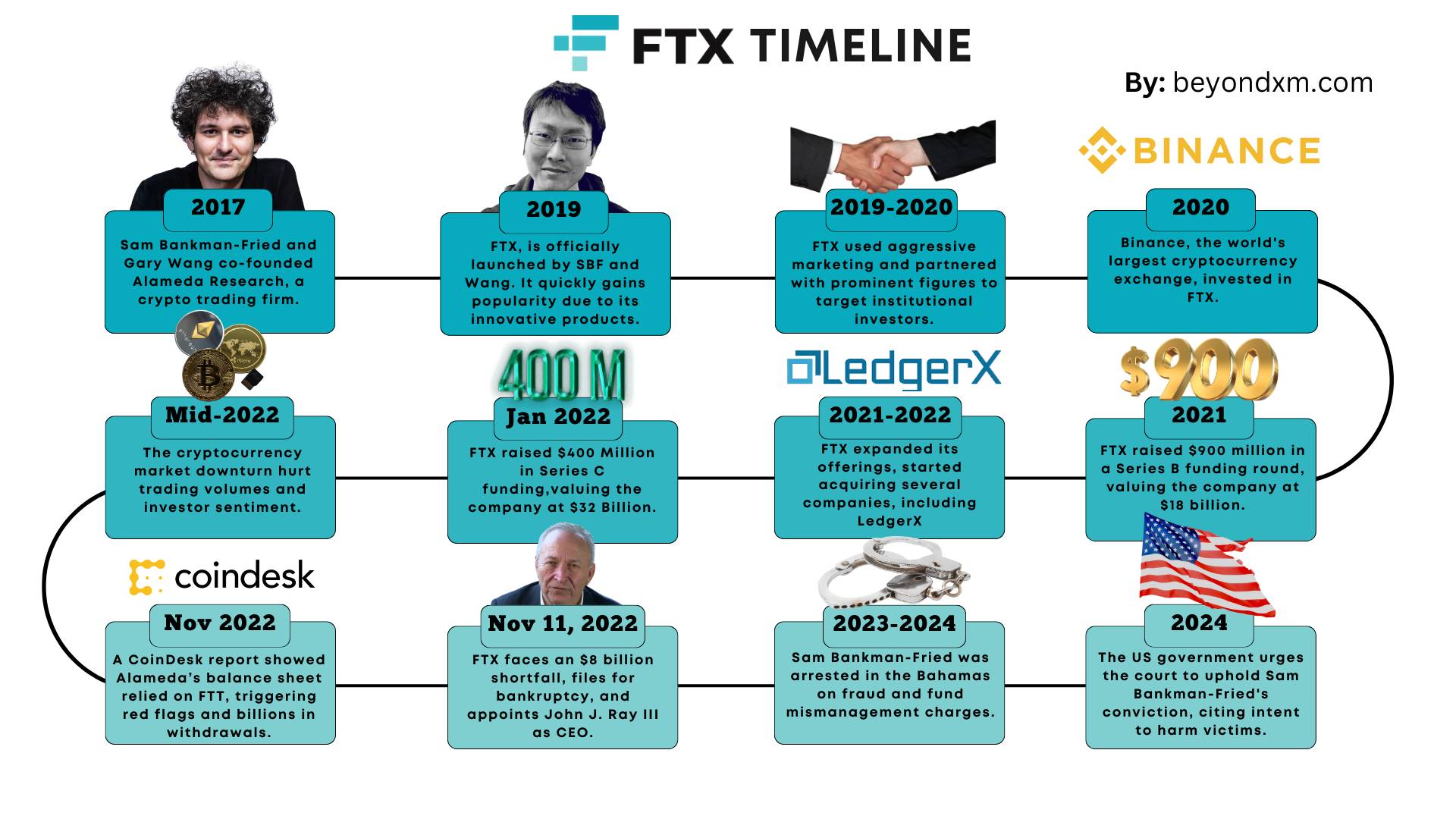
Sam Bankman-Fried (SBF) who is a former quantitative trader at Jane Street Capital, recognized for arbitrage trades in Bitcoin, founded FTX in 2019.
He leveraged his trading background to cater to sophisticated traders seeking deeper liquidity.
Sam built a user-focused crypto derivatives and spot trading platform offering advanced features like margin trading, futures, options, and leveraged tokens.
FTX's vision was to build an “Exchange built by traders, for traders”—with reliable infrastructure & low fees.
FTX quickly distinguished itself, capturing a niche of professional crypto enthusiasts.
Initial Market Traction:
- Advanced Trading Products: Allowed traders to short or leverage positions on coins not widely supported by competitors.
- Innovative and Rapid Feature Rollouts: Launched specialized indexes (e.g., exchange tokens index) and leveraged tokens for trending projects.
- Aggressive Branding and Marketing: Collaborations with athletes, actors, and social media personalities boosted brand recognition.
- Strategic Ties with Alameda Research: Alameda served as a significant market maker, purportedly providing liquidity on FTX, furthering the exchange’s early growth.
Did you know that Sam had also co-founded Alameda?
Key Financial Indicators & Events
- 2019–2020:
- Quickly amassed tens of thousands of active traders, mainly from a professional crypto trading background.
- Became one of the top 5 global crypto exchanges in derivatives volume within a year.
- 2021–Early 2022:
- Claimed over 1 million registered users globally.
- Daily trading volumes often surpassed $10 billion, rivaling established platforms like Binance and Coinbase.
- Seed and Series A (2019–2020):
- Backed initially by Alameda Research funds and influential venture capital firms in crypto, raising tens of millions.
- Series B & Beyond (2021):
- Garnered high-profile investors like Sequoia Capital, Paradigm, and SoftBank; soared to a valuation above $18 billion.
- Follow-up rounds placed FTX’s peak valuation near $32 billion.
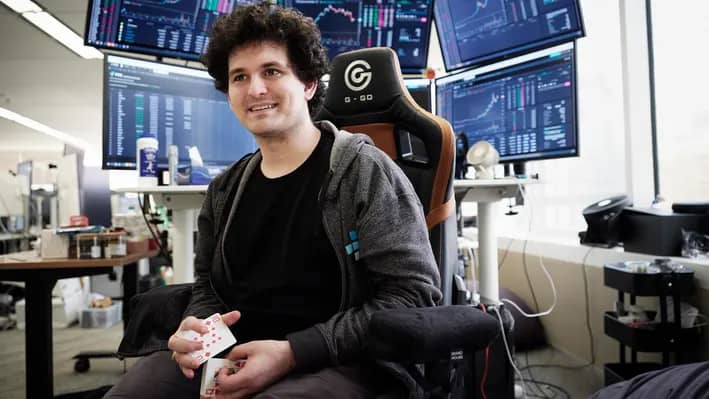
Did you know that Sam was known for sleeping in a beanbag chair (or on couches) near his trading desks, symbolising FTX’s high-intensity, around-the-clock culture?
Triggers of Collapse:
- Token Liquidity Crisis:
- Rival exchange Binance announced plans to sell large FTT holdings in late 2022, triggering a panic around FTT’s solvency.
- FTT token’s price cratered, undermining confidence in FTX’s balance sheet.
- Blurred Boundaries with Alameda Research
- Allegations surfaced that FTX and Alameda co-mingled funds, raising conflict-of-interest concerns.
- Rumors of user deposits used for Alameda’s risky trading overshadowed FTX’s claims of transparent governance.
- Excessive Leverage
- In pursuit of rapid growth, FTX offered high-leverage products (up to 20x or more), amplifying risk for users and the platform itself.
- Unforeseen volatility events threatened the platform’s solvency in extreme market conditions.
Did you know that FTX paid over $100 million for naming rights to the Miami Heat’s NBA arena?
Bankruptcy (Late 2022): FTX, Alameda, and affiliated entities declared bankruptcy; millions of users left with locked funds. Regulatory authorities in multiple jurisdictions launched probes into alleged fraud and mismanagement.
5 Things to Learn from FTX's $32 Billion Disaster
- Importance of Corporate Governance: You need to set robust financial controls, maintain distinct operations for related businesses.
FTX's screwup: Alleged mixing of user deposits to support Alameda’s trading. - Risk Management: Develop fail-safes and internal checks before aggressively scaling financial products.
FTX's screwup: Quick downfall after a liquidity crunch indicated underdeveloped risk frameworks. - Transparency: Be meticulous about disclosing operational realities; building trust extends beyond flashy PR.
FTX's screwup: Sports deals and celebrity endorsements overshadowed the lack of transparency about real finances. - Prioritise Liquidity: Maintain liquidity buffers proportional to user deposits and possible “run-on-the-bank” scenarios.
FTX's screwup: A run on FTT tokens triggered an insolvency spiral. - Corporate Ethics: In scale-up mode, never sacrifice compliance or integrity; short-term gains can lead to long-term destruction.
FTX's screwup: Multiple regulatory investigations alleged fraudulent claims, leading to criminal probes.