
Did you know that Motorola made the world’s first cell phone in 1970?
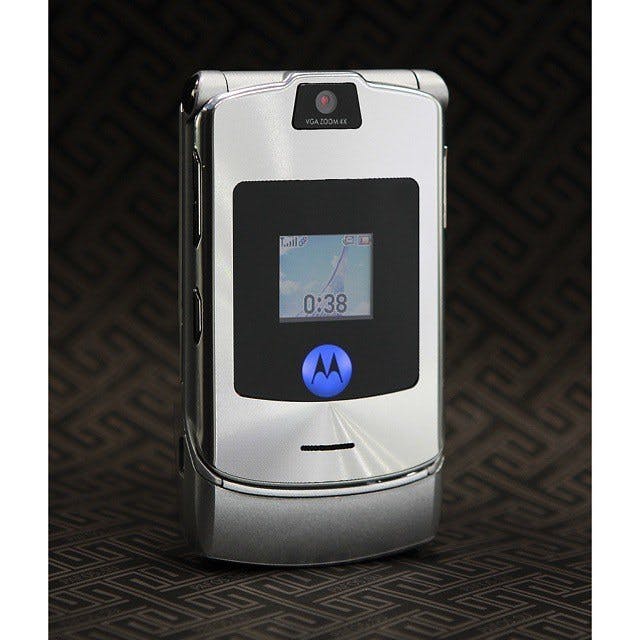
The phone that was once a favorite of the likes of David Beckham, Bono and Paris Hilton, is now back on shelves.
Motorola, once a pioneer in the mobile phone Industry, was struggling to stay relevant against Nokia and Samsung in the 2000s.
Though it had a respectable share of the market, it was not significant by any measure.
When nothing seemed to work, Motorola decided to go back to basics, and when most competitors were loading their phones with a bunch of features, Motorola decided to kill it with “Form over Function”.
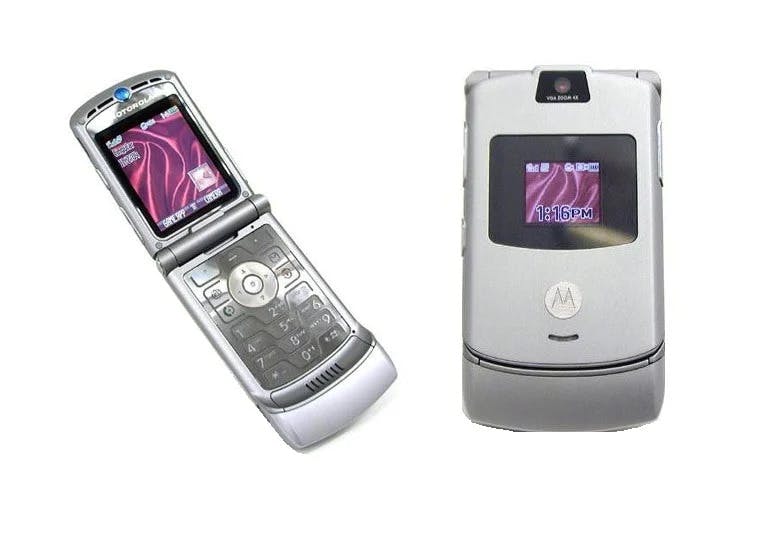
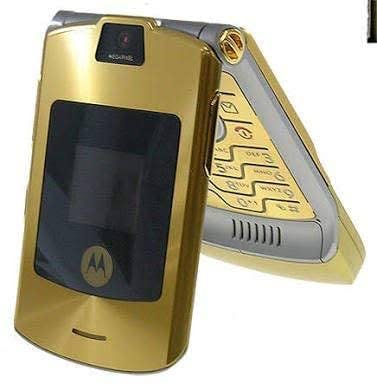
Before Motorola launched Razr, phones in general were becoming heavier and clunkier, thanks to the feature-loaded thicker phones by Nokia.
The Motorola design team sitting out of Illinois, US, had their task cut out:
- Make a simpler
- Slimmer
- Stylish
and boy did they deliver!
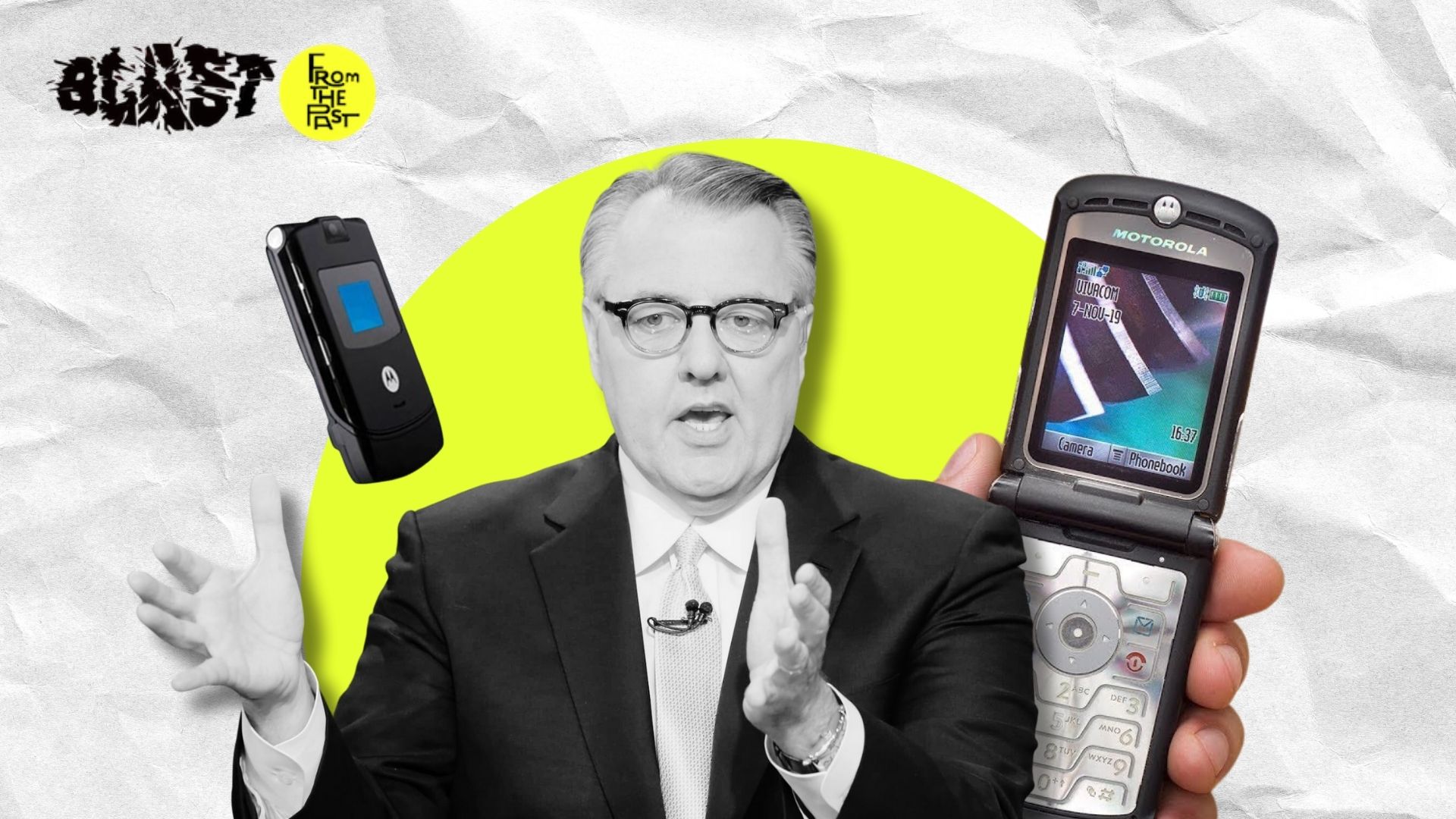
In 2004, Motorola introduced the ultra thin Razr V3 cell phone. Just 3.35 ounces and a half-inch thick, at a price tag of $450.
The sleek design of the RAZR drew inspiration from fashion industry trends, particularly the thinness of a razor.
5 Things Motorola Did That Generated $7.5 Billion in Revenue
- Market Timing:
The Razr was released at a time when mobile phone ownership was rapidly increasing. Nokia and others were making heavier and clunkier. Motorola Went, Simple, Thinner and Stylish.
- Technology and Innovation:
Razr had a large colour display, a rarity at the time, enhancing user experience.
- Build Quality:
It was one of the first phones to use premium materials like aircraft-grade aluminium replacing plastic.
- Cultural Impact:
The Razr quickly became a cultural icon, It even featured in Wimbledon 2005, where Motorola debuted its pink-coloured model for Maria Sharapova. It appeared in movies, TV shows, and other media.
- Brand Positioning:
Motorola successfully positioned the Razr as a premium product, this pricing strategy contributed to impressive profit margins for Motorola.
This led to
- RAZR commanding 22% market share in the global mobile phone market at the time.
- Motorola selling 130 million units of the RAZR worldwide, marking a staggering success in terms of sales volume.
5 Things that led to the Death of Motorola Razr
- The introduction of smartphones:
- The iPhone was introduced in 2007, which revolutionised the mobile phone industry.
- This can arguably be the moment when Motorola started losing faith in its best-performing model ever
- Slow Response to Market Changes:
- New Smartphones offered touchscreens, app ecosystems, and advanced features that drastically changed consumer expectations.
- Lack of Innovation Post-Razr:
- Beyond the flip phone factor. Consumers began to demand larger screens and touch interfaces, which the RAZR couldn’t offer.
- Competition from Low-Cost Manufacturers:
- Manufactures like Samsung, LG and other Asian countries started introducing their own slim and stylish phones, diluting the RAZR’s unique selling point.
- Poor Software Integration & App Ecosystem
- Motorola did not have its robust software ecosystem or app store, which made it less appealing compared to smartphones.
- Other phone software became much more user-friendly than Motorola.
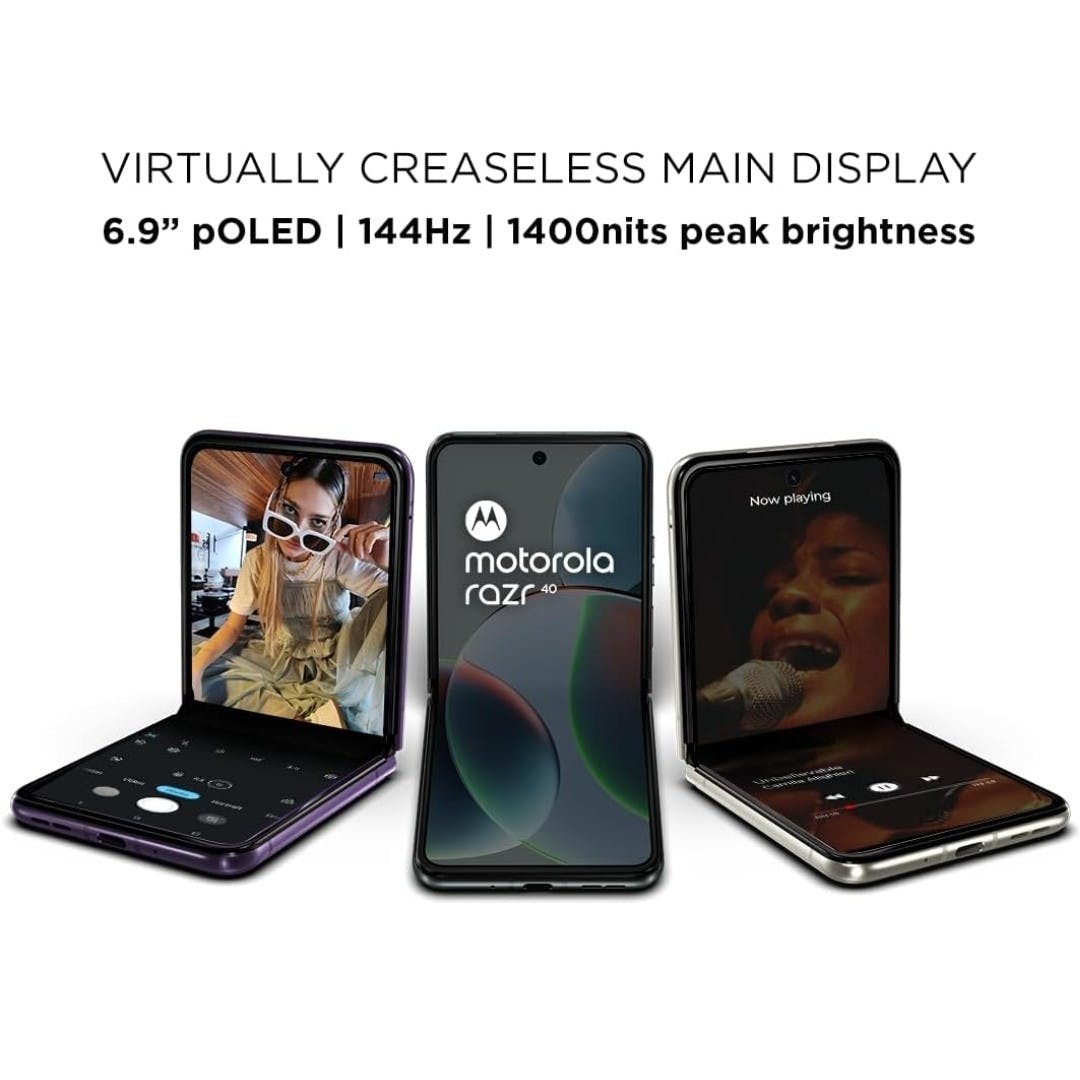
Despite its discontinuation, the RAZR’s legacy endures, The release of the foldable RAZR in 2019 was a nod to the iconic flip phone design, showcasing a blend of nostalgia and modern technology.
End of An Era
- After a remarkable run, the original RAZR series faced declining sales and market share in the late 2000s.
- Motorola shifted its focus towards new product lines, marking the end of an era.
- In May 2012 Google acquired Motorola Mobility for US$12.5 billion.