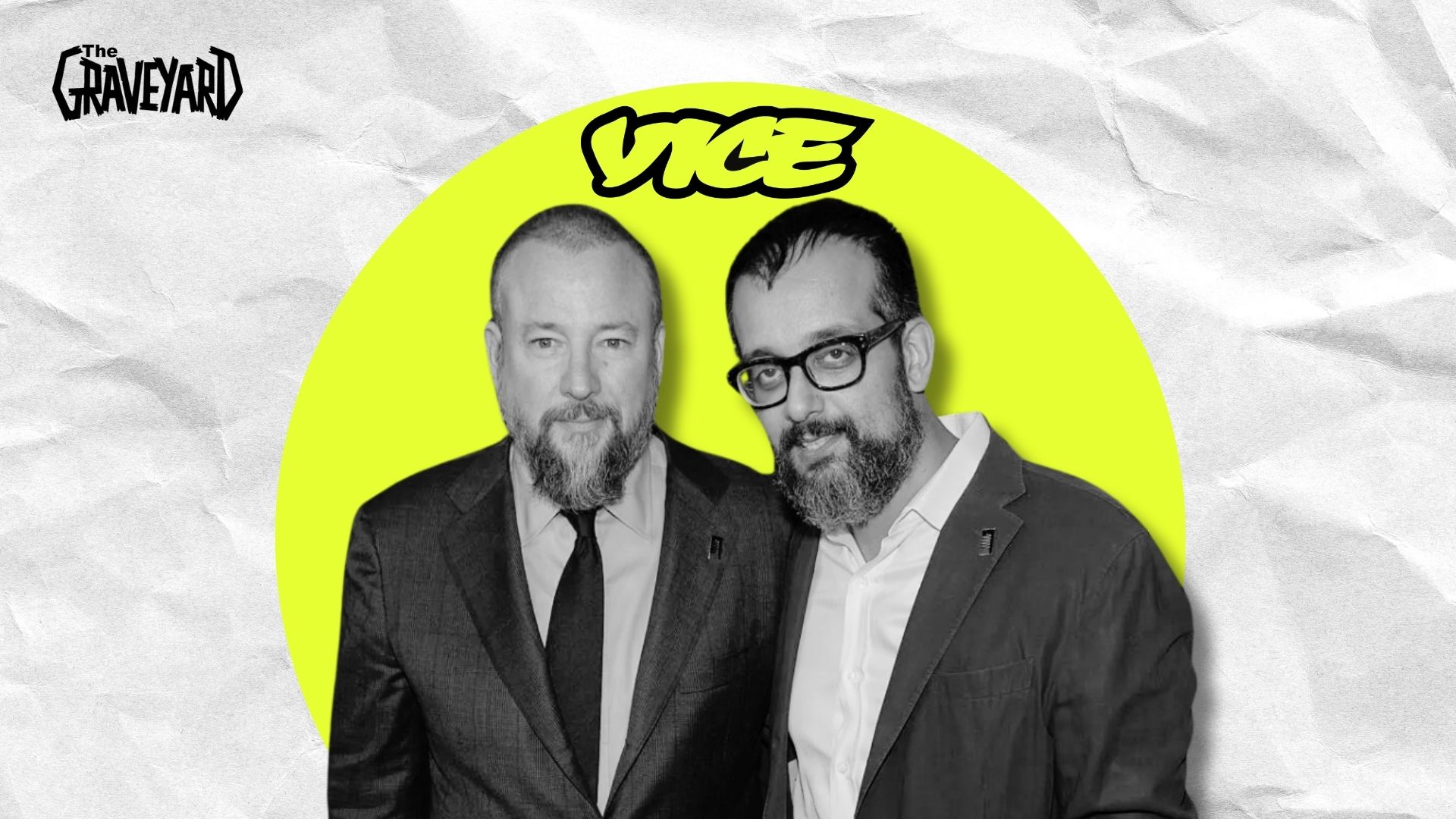
Did you know that Vice had become the tenth-highest-valued private company in America, at a valuation of $5.7 billion?
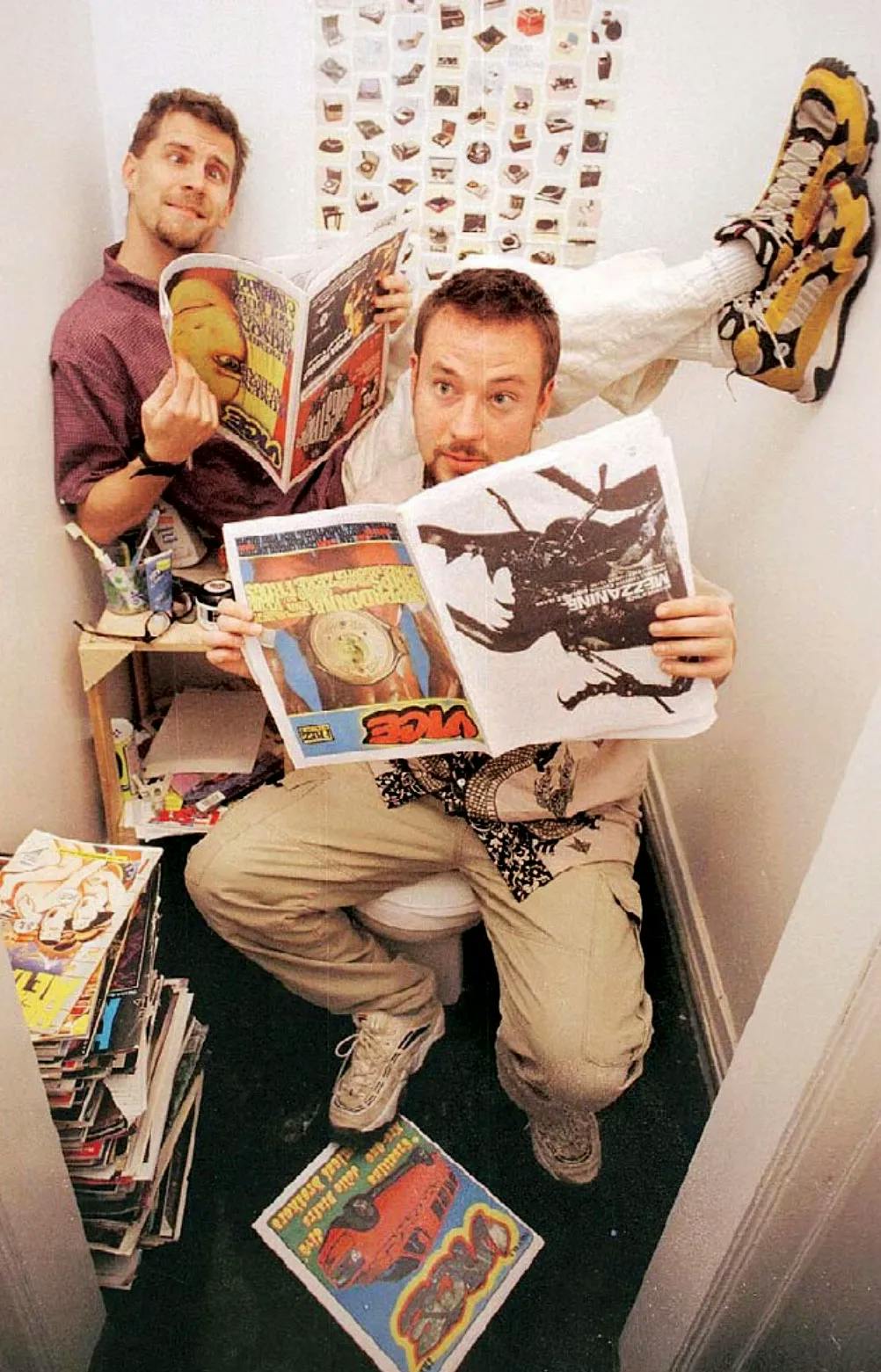
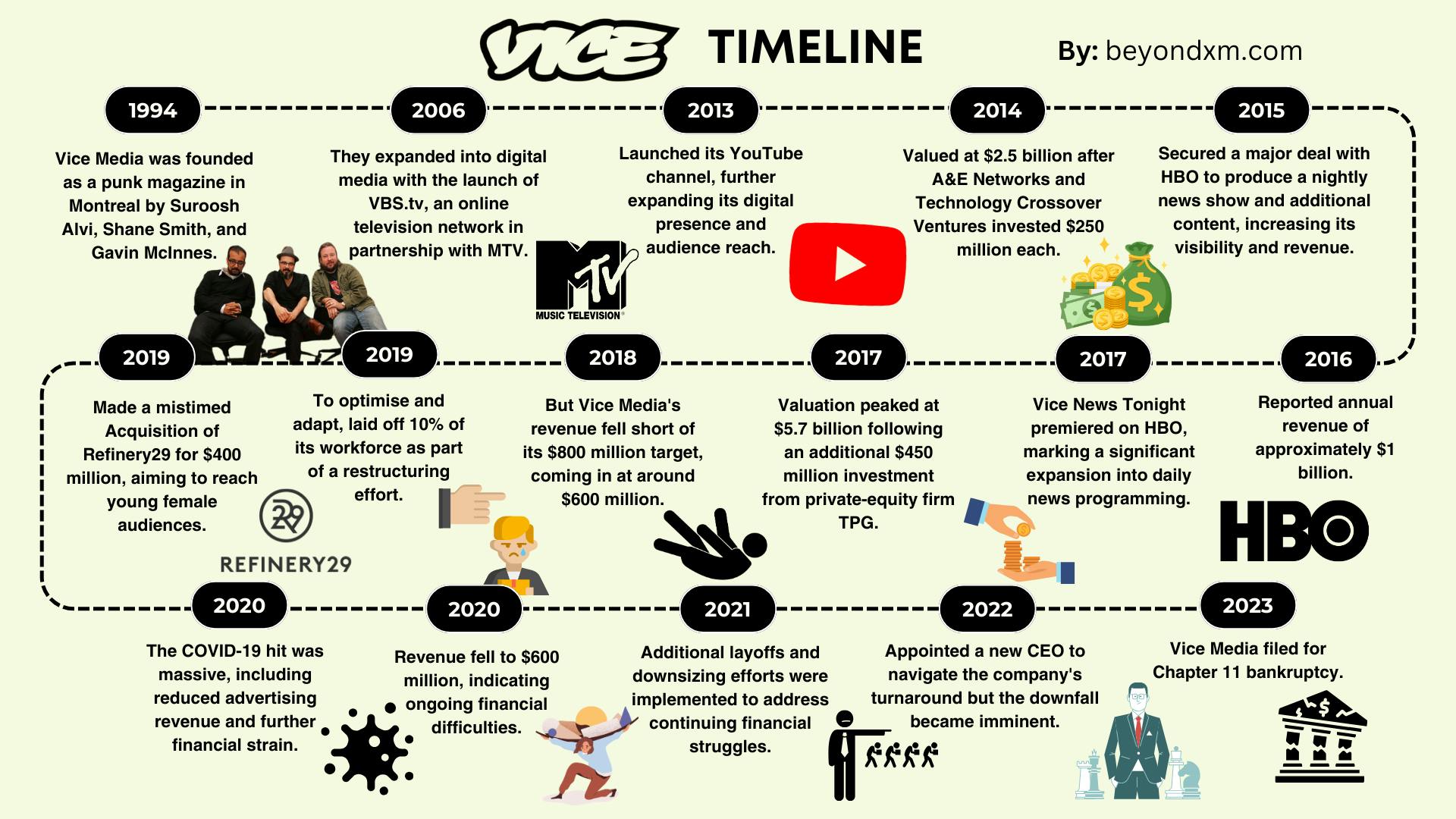
Vice Media was founded in 1995, in Montreal, Canada, by Shane Smith, Suroosh Alvi, and Gavin McInnes as a punk magazine initially called Voice of Montreal.
The magazine intended to focus on youth culture, music, art, and activism.
The magazine rebranded to Vice, distinguishing itself with a raw, unfiltered editorial style that resonated with a young, rebellious audience.
It gained quite a reputation for provocative content, building a dedicated following among urban youth. Its unconventional approach to journalism set it apart from mainstream media.
Vice Saw Success and Traction in its early years, itself:
- Moved its headquarters to New York City in 2001, positioning itself at the epicenter of media and culture. This move enabled greater access to resources and talent.
- Vice expanded beyond print, launching VBS.tv, an online video channel that produced original content.
- Vice launched Virtue in 2006, its creative agency, which helped brands connect with young audiences through edgy, innovative marketing campaigns.
- Vice partnered with Viacom’s MTV Networks to produce The Vice Guide to Everything in 2008, a television series that brought its unique style to a broader audience.
Did you know that Vice Media also started a clothing line called Vice Style?
Vice peaked to nearly 3X valuation in 7 Years:
- Vice launched its YouTube channel in 2011, which quickly amassed millions of subscribers.
- In 2013, Vice secured a $70 million investment from 21st Century Fox, valuing the company at $1.4 billion.
- In the following year, Vice launched Vice News, a dedicated news division aimed at millennials. Vice News gained acclaim for its immersive, on-the-ground reporting style, covering stories often ignored by traditional media.
- In 2015, Vice received a $250 million investment from A&E Networks, valuing the company at $2.5 billion. Vice’s valuation skyrocketed as it continued to attract young viewers and innovate in digital media.
Did you know that Vice once made a documentary on North Korea, featuring Dennis Rodman?, it gained significant international attention and controversy.
But as it happens, Vice became complacent and ran into Challenges:
- Vice faced criticism for its workplace culture, with allegations of sexual harassment and discrimination surfacing. These issues tarnished Vice’s reputation and led to executive resignations.
- In 2017, Vice Media reported revenues of approximately $600 million but still struggled with profitability.
- Despite its large audience, Vice struggled to convert viewership into sustainable revenue.
- Vice launched Viceland, a cable TV channel, in partnership with A&E Networks. Despite initial enthusiasm, the channel failed to attract a substantial audience, leading to significant financial losses.
4 Mistakes Vice did to lose $1.7 Billion in 7 years
- Losing Touch with Customer feedback: Despite initial hype, Viceland failed to deliver the expected viewership numbers.
By 2018, Vice had to cut programming and scale back the channel’s operations, leading to layoffs and a tarnished brand image.
- Lack of focus: Vice Studios, the company’s film production arm, produced several documentaries and features, but most failed to achieve significant commercial success. Similarly, Vice’s foray into music streaming with Apple Music’s Beats 1 show did not gain traction.
- Undermining Culture: In 2017, an explosive New York Times article exposed widespread allegations of sexual harassment at Vice. The ensuing scandal led to high-profile resignations and lawsuits.
- Lack of Agility: Unlike competitors such as BuzzFeed, which diversified into branded content and e-commerce, Vice remained overly reliant on traditional advertising.