Did you know that Claire's was founded by acquiring multiple small accessory businesses together by Rowland?
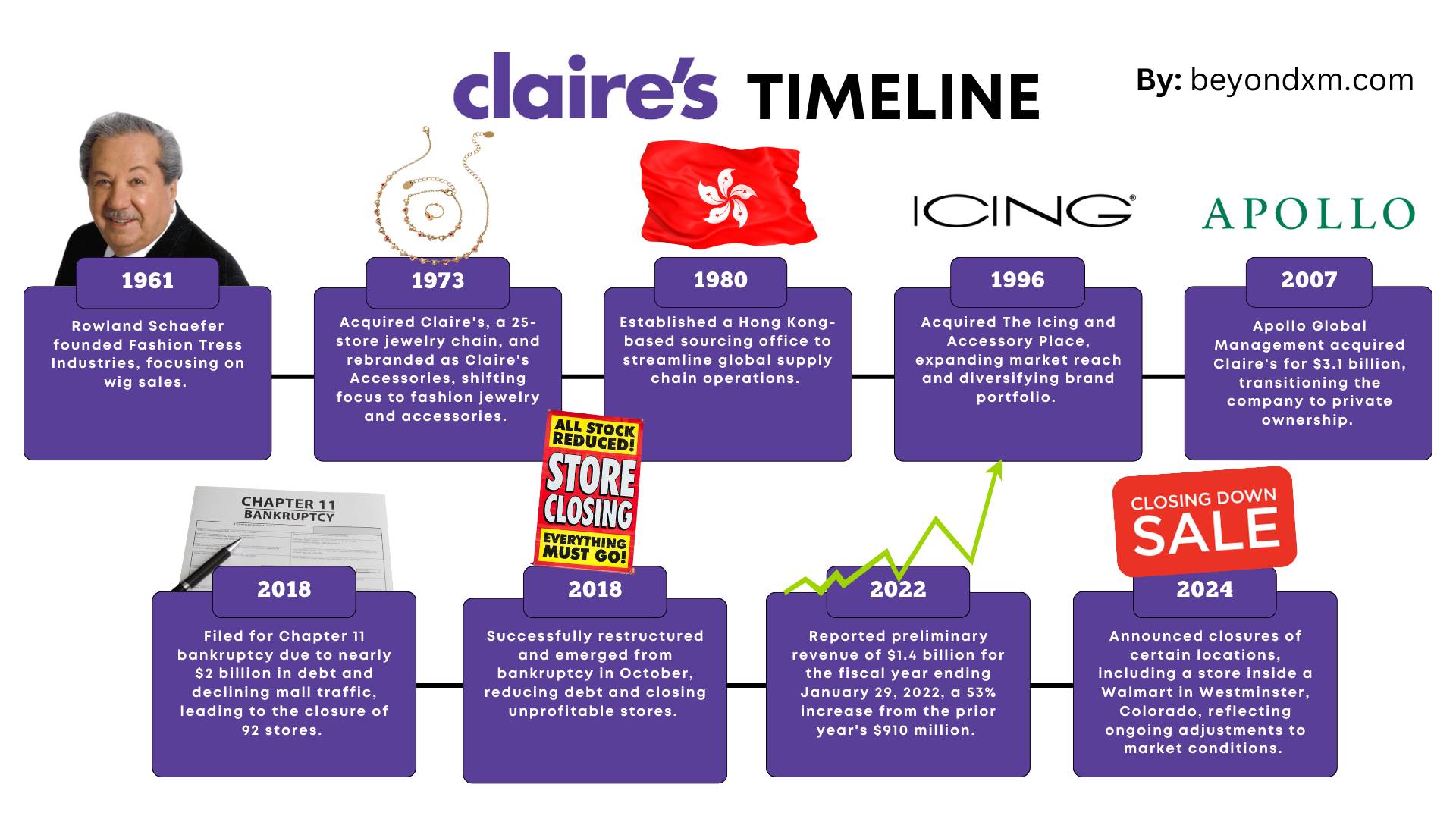
Rowland Schaefer founded Claire's in 1961, with a goal to provide fashion-forward accessories at affordable prices for women and teenage girls.
By centering on a young demographic eager for self-expression and novelty, Claire’s tapped into stable teen spending power, often financed by parents or allowances, and built mall-based brand presence.
Did you know that Claire's Ear Piercing stores have pierced 100 Million Ears globally?
Unique Value Proposition:
- Ear Piercing Services: They became synonymous with convenient in-store ear piercing, turning a simple accessory purchase into a memorable milestone for tweens. This resulted in more foot traffic as parents felt more comfortable trusting a recognized chain than unknown local piercers.
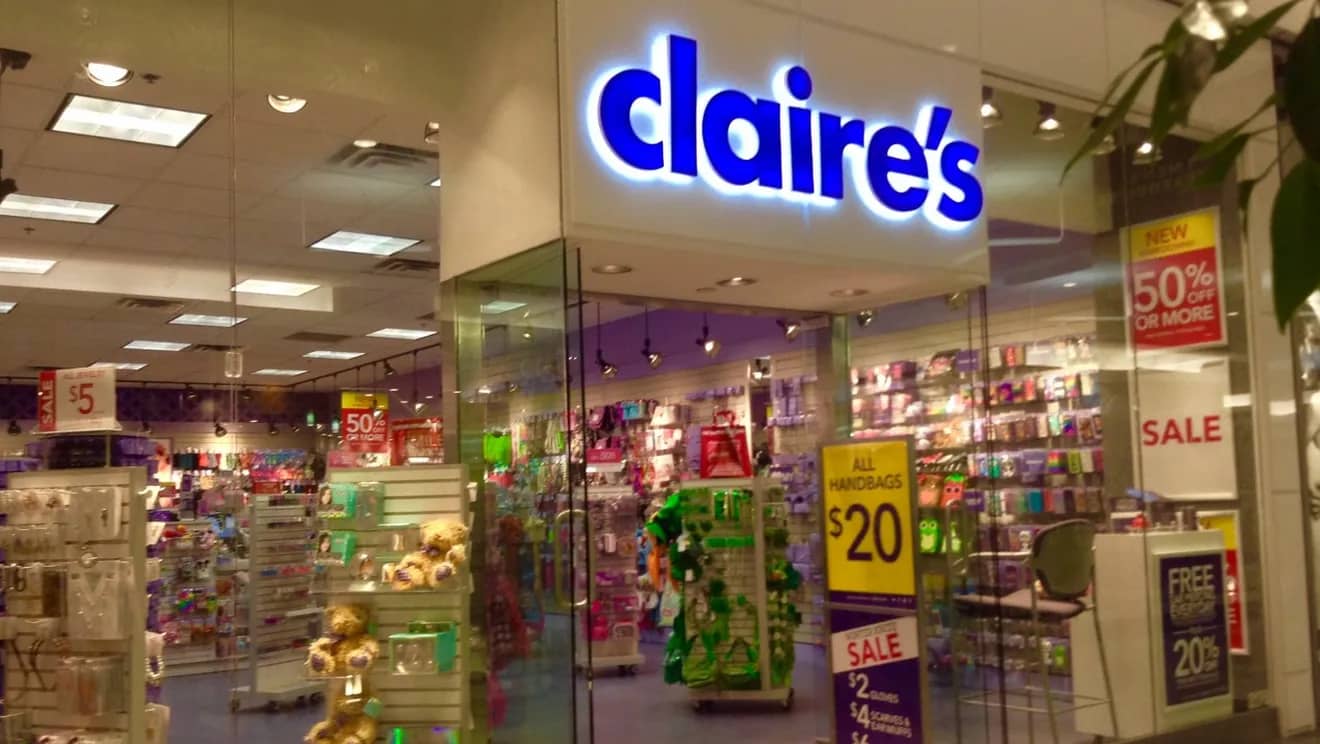
- Teen-Focused Environment: The stores were rightly lit, pastel-hued stores brimming with hair clips, bracelets, and novelty items. This created a mall-like experience, for adolescents looking to buy budget-friendly, mini fashion statements.
- Frequent Inventory Turnover: Quick-changing inventory aligned with fast-moving teenage trends, attracting repeat visits to discover new items weekly.
Critical Milestones:
- Up Until Late 1990s: Claire's became synonymous with bright signage, glittery interiors, and a steady stream of tween foot traffic. This was also the time when the brand crossed more than 1000 stores.
- Early 2000s, were marked by the Private Equity Cash infusion by Apollo for upto $3.7 Billion into the brand but it made the company extra saddled with debt.
- The repeated private equity buyouts left Claire’s owing over $2 billion in various debts and bonds.
Triggers for Slowdown:
- Declining Mall Traffic: As e-commerce took off, younger consumers spent less time wandering malls. Claire’s primary channel lost relevance.
- Unmanageable Debt Obligations: Private equity owners loaded the chain with leveraged debt, leaving limited funds for in-store innovation or digital marketing expansions.
- Digital Neglect: Claire’s online presence lagged behind fast-fashion players who rapidly dominated the internet’s teenage apparel and accessories segment.
- Teen Culture: Shifts in teen spending habits to experiences (concerts, gaming) also reduced casual impulse buys at a traditional store.
Chapter 11 bankruptcy:
- Cascade Effect: In March 2018, Claire’s filed for Chapter 11 bankruptcy protection amid an unsustainable debt load of nearly $2 billion.
- Restructuring Strategy: The Chapter 11 plan aimed to cut over $1.9 billion in debt and strengthen the balance sheet. Claire’s sought new financing commitments to keep core operations running during the restructuring process.
- Store Impact: While the majority of Claire’s locations remained open, the brand intended to concentrate on its most profitable outlets and stable consumer segments.
- Aftermath: Claire’s exited bankruptcy later in 2018, having reduced its debt significantly. However, continued market pressures, are still forcing the brand to struggle
5 Lessons to learn from $3.7 Billion hole in Claire's Legacy
- Track Consumer Early: Nostalgia or brand equity can’t sustain growth if your core audience changes shopping habits.
What would have worked?: If Claire's customers pivoted from malls to digital or from big-box to social commerce, they should have pivoted swiftly and led the trend rather than follow.
- Financial Savvy: Excessive debt burdened Claire's ability to invest in R&D, store experiences, or marketing.
What would have worked?: Startups should modulate their debts considering working capital pressures in mind leverage moderate.
- Brand Positioning Focus: The in-person experience (like ear piercing in Claire’s case) did not translate well digitally, and they failed to find a unique hook for e-commerce.
What would have worked?: Turning brand rituals (like “first piercing”) into interactive online experiences or digital communities, fostering loyalty in new channels.
- Optimise Store Experience: Over-saturated with thousands of locations in a declining channel inflated overheads, especially when foot traffic declined.
What would have worked?: If physical stores remain strategic, then you must prioritise fewer, higher-impact ones while developing a robust omnichannel synergy.
- Invest Heavily in Tech: Don't underestimate consumer data analytics, e-commerce personalisation, and social media marketing as the success in these resources, can keep your brand agile in dynamic markets.
What would have worked?: The brands need to cultivate a digital DNA that taps into real-time user feedback, ensuring quick product turnarounds and more relevant marketing campaigns.